Panama · Veraguas · UNESCO

Isla CoiOkay

«The Galapagos of the American Pacific» — 270,000 hectares of marine park where a century of prison isolation saved the sea.

2005 UNESCO listed
270643 marine hectares
38 satellite islands
Discover
About Coiba Island

The largest tropical marine park Pacific American

Off the coast of Veraguas Province, in the Gulf of Chiriquí, lies the most preserved archipelago in Central America. Coiba, the main island, deploys 50,360 hectares of primary rainforest at 80 %, surrounded by 38 islets and 2,706,430 hectares marine protected area — the largest in the Tropical Eastern Pacific. Classified UNESCO in 2005, compared to the Galápagos by scientists for its endemism and abundance.

The miracle is paradoxical. 1919 to 2004, Coiba housed one of Latin America's most fearsome prisons – an isolated penal colony where no one ventured. For 85 years, this forced isolation kept commercial fishermen, loggers, and developers at bay. The result: the primary forest remained intact, the coral reefs among the healthiest in the American Pacific, and marine life — schooling hammerhead sharks, manta rays, whale sharks in season — find one of their last refuges there.

Our on-site advice: Coiba is earned. No hotels on the island, strictly regulated access, permit required. Base yourself in Santa Catalina (1h-1.5h by boat) or on a live-aboard cruise from Panama City. Experienced divers or passionate snorkelers will find one of the Pacific's last secrets here.

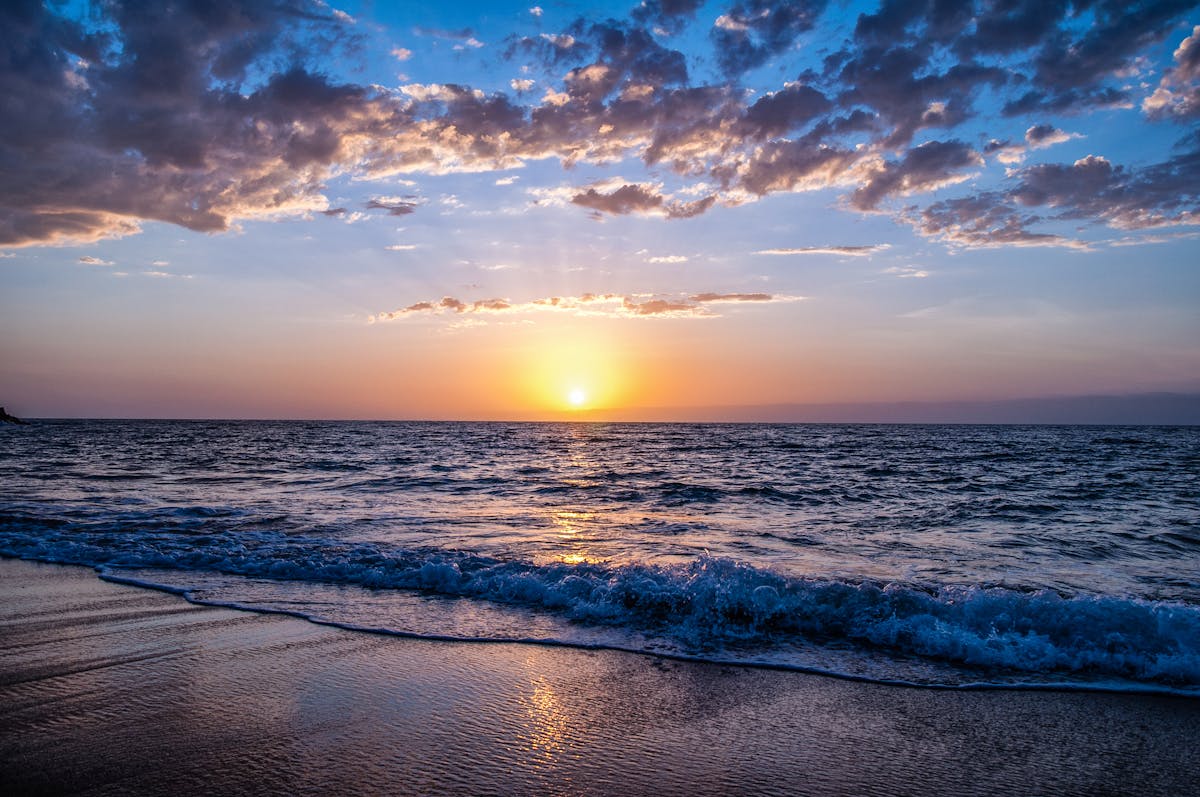
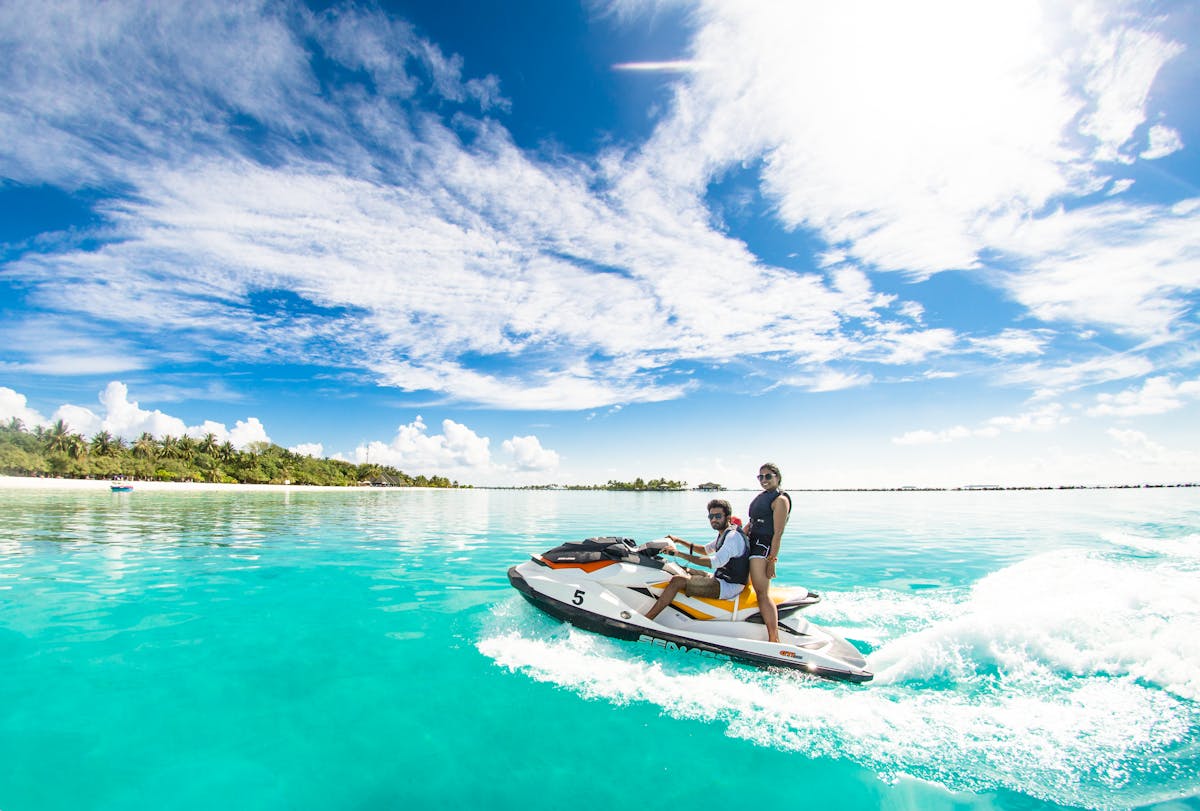
Turquoise waters and tropical islet of Isla Coiba National Park
Veraguas, Panama · 50,360 hectares island + 38 islets
Landmarks

Geography & climate

The essentials to know before you go — access from Santa Catalina, temperatures, underwater visibility, and the best window for mythical encounters with marine megafauna.

Map

Situation & Access

  • 📍LocalizationVeraguas Province, Gulf of Chiriquí, Panamanian Pacific — 25 km off the southern coast
  • AirplaneAirportPanama City (PTY) then 6-hour drive to Santa Catalina, or domestic flight with Air Panama to David then 2.5-hour drive
  • 🚤Coiba AccessBoat from Santa Catalina (1h-1h30) · Puerto Mutis (2h) · or direct live-aboard from Panama City
  • 🏊5 major spotsGranito de Oro, Bahía Damas, Isla Canales de Tierra, Bajo Mero, Isla Jicarón — intermediate to advanced level
  • 📋Mandatory permit$15 USD/day national park, payable via MiAmbiente certified tour operator. No free access
☀️

Climate & Season

  • ThermometerAir temperature28-30°C year-round · tropical maritime climate, little thermal variation
  • 🌊Water temperature26-28°C depending on the season, sometimes cool thermoclines at 18-22 m depth
  • ☀️Dry seasonDecember → April · calm sea, visibility 15-25 m, clear sky, optimal period
  • RainGreen seasonMay → November · Afternoon rains, rougher seas, variable visibility but megafauna sightings
  • 💎Sweet spotJanuary-March (dry season, max visibility) · November-May for whale sharks · June-September for hammerhead schools

Month by month — when to dive in Coiba?

Each month has its signature meeting. Hover to identify the ideal window based on your quest.

January
☀️
February
🦈
March
🐋
avr
☀️
May
🐋
June
🦈
July
Rain
August
🦈
September
Rain
October
Rain
November
🐋
December
☀️
Sweet spot Toucan (seconds + megafauna) Peak season (good visibility) Green season (rough seas, hammerheads)
Don't miss it

The 5 experiences signature

What we systematically recommend to our adventurous travelers in Coiba. With, under each experience, the on-the-ground secret that transforms a tourist dive into a memorable encounter.

1 School of scalloped hammerhead sharks in Pacific currents
Mythical Pelagics

Scuba diving: Hammerhead schools

The experience that puts Coiba on the diver's world map. Bajo Mero, Don Wilo, and Jicarón Island spots, benches from 20 to 100 Hammerhead sharks sea horses swirl in the currents — a rare sight, comparable to Cocos or Galapagos. Peak season June-September. Depth 18-30m, moderate to strong currents. Advanced Open Water minimum level.

Secret Pro: Early mornings offer the best updrafts—that’s when the schools of fish rise to the surface. Book a 32% nitrox tank to extend your bottom time.
VIP Option Live-aboard for 5-7 days on Yemaya or Coiba Dive Expeditions — exclusive morning access, 3 dives/day, spots inaccessible by day trip.
2 Snorkeling over a reef of colorful corals and tropical fish
🐠 Iconic snorkel

Granito de Oro — the signature islet

The image we keep of Coiba. A tiny islet of white sand surrounded by transparent turquoise water, like a nugget in the middle of the Pacific. Easy snorkeling around the islet: stingrays, green sea turtles grazing, schools of surgeonfish, green moray eels, chocolate starfish. Ideal beach for a picnic, 30 minutes on site. An absolute must-do, even for non-divers.

Secret Pro: Arrive early (before 9:30 AM) before the other boats arrive. At low tide, you can walk to Granito from the sand.
Tip: sunscreen Reef-safe required (oxybenzone-free) — mandated by rangers, otherwise denied boarding.
3 Deserted beach and primary rainforest of Coiba Island
🏝️ History & Nature

Coiba Beach & Penal Colony Ruins

Setting foot on Coiba is like walking into a Museum island. At the ranger station near the main beach, we visit the ruins of the old Penal colony (1919-2004) Wooden barracks, collapsed cells, an abandoned chapel - and right next door, a golden sand beach bordered by primary forest. American crocodiles sometimes spotted at the mouth of the river. A rare feeling: absolute silence, nature reclaiming its own.

Secret Pro: request to see the short trail to the backcountry (10 min) — howler monkeys guaranteed, scarlet macaws on occasion (relict endemic population).
VIP Option Private English-speaking naturalist excursion guide via Toucan - ecosystem decryption, penitentiary history, and track reading.
4 Big game fishing in the Panamanian Pacific
🎣 Exceptional Sport Fishing

Damas Bay Sport Fishing

The Bahía Damas coral reef (approx. 160 km²) — the largest in the eastern tropical Pacific — is home to one of the most impressive concentrations of marlin in the world. Black marlin, blue marlin, sailfish, dorado (mahi-mahi), yellowfin tuna. Catch-and-release mandatory in the park area. Fishing trip from Boca Chica or Santa Catalina, 1-2 days on site. Peak season: December-April.

Secret Pro: External waters at the NP allow fishing — aim for a mixed exit with a captain who knows the limits, to bring a tuna back to the village and release everything within the park.
Tip: Sport Fish Panama Island Lodge (Boca Chica) offers the best crews, but book at least 6 months in advance for high season.
5 Live-aboard cruise ship anchored near tropical islands
Total immersion

3 to 7 day liveaboard cruise

The only way to access the most remote spots — Jicarón, Isla Canales, Hannibal Bank — and dive at 7 am before the day boats arrive. Double cabins on board, onboard chef, 3-4 dives/day, marine mammal watching from the deck (orcas, false killer whales, humpback whales July-October). Departures from Panama City (1 day at sea) or Pedregal (4 hours). 3 to 7 nights.

VIP Option Private boat charter for groups of 6-10 divers — customized itinerary, average price $2,800-4,500 USD/person/week depending on quality.
Secret Pro: Yemaya Liveaboard and MV Coiba are the standard — avoid non-MiAmbiente-certified boats (access to the park may be denied).
Geography of the archipelago

Coiba & Co. key zones

The national park covers 270,643 hectares — understanding the points of interest and departure bases helps organize a coherent stay. No hotels on the island; lodging is mandatory in a coastal village.

On the island & major spots

For: diving · snorkeling · marine life

  • Island Golden Granite Iconic white sand islet, easy snorkeling all around, green sea turtles guaranteed — accessible day trip
  • 🦈 Under Mero & Don Wilo advanced hammerhead spots, moderate to strong currents, depth 18-30 m
  • 🐠 Bahía Damas 160 km² of reef, snorkeling and scuba diving, record biodiversity of the American Pacific
  • 🐊 Coiba Main Beach prison ruins, ranger station, mangroves, estuarine crocodiles
  • 🦅 Jicarón & Jicarita Islands Most remote spots in the park, live-aboard access only, pelagic abundance

Coastal starting bases

For: lodging · agencies · logistics

  • 🏄 Santa Catalina Base #1, world-class surf village («La Punta»), 1 to 1.5 hours by boat from the park
  • Puerto Mutis Fishing port from Santiago, 2-hour boat trip, less touristy, more rustic
  • 🏨 Boca Chica Exclusive Chiriquí side village, upscale island hotels, sport fishing
  • 🚤 Pedregal / David boarding point for live-aboards and multi-day expeditions
  • Airplane Panama City International drop-off point, 6h drive to Santa Catalina or 1h flight to David
Marine and Terrestrial Bestiary

The fauna that you attend

Coiba is one of Central America's last refuges for marine megafauna. An 85-year prison isolation saved a unique ecosystem—terrestrial endemics, pelagic giants, intact reefs.

🦈
Hammerhead shark
Sphyrna lewini
June-September benches
🐋
Whale shark
Whale shark
November → May (transition)
🪼
Giant manta ray
Manta ray
All year · peaks Dec-Mar
🐢
Leatherback turtle
Leatherback sea turtle
Bridge Oct-Feb · Remote beaches
🐢
Pacific green turtle
Chelonia mydas agassizii
All Year · Granito de Oro
🐊
American crocodile
American crocodile
Year-round · mangrove estuaries
🐬
Spotted dolphin
Spotted dolphin
All year · groups 30-100
🐋
Humpback whale
Humpback whale
July → October (reproduction)
🦜
Scarlet macaw endemic
Blue-winged Macaw
All year · Primary forest
🐒
Pacific howler monkey
Coiban Howler Monkey
All year · endemic Coiba
Coastal cuisine

Flavors of Pacific Panamanian

No restaurants on Coiba; picnic meals are organized by agencies. In Santa Catalina and coastal villages, the cuisine reflects the day's catch: fresh ceviche, fried kingfish, and coconut rice inherited from the Afro-Antillean descendants of Veraguas.

Corvina Ceviche
~5 USD — entrée
White sea bass caught in the morning, marinated with lime, red onion, cilantro, and ají chombo. The emblematic ceviche of the Panamanian Pacific, served with patacones (fried plantains).
Whole fried fish
~$10 USD — plain
Whole fish (red snapper, grouper, snapper) fried on the spot, crispy on the outside, melting on the inside. Served with coconut rice, lentils, and green salad. A must-try at La Buena Vida (Santa Catalina).
Shrimp and rice
~$9 USD - platinum
Shrimp and rice of the day, tomato, bell pepper, garlic, cilantro. Popular dish for everyone foundations coastal. Generous portion, served with patacones and salad.
Coconut Rice
~3 USD - Side dish
Cooked rice with fresh coconut milk, lightly sweetened, a signature of the Caribbean coast and Veraguas. It always accompanies grilled fish and fried dishes.
Fried plantains
~$2 USD — accompaniment
Green plantain, crushed and double-fried, salted. The default Panamanian bread. Excellent with ceviche, impromptu guacamole, or by themselves as an appetizer.
Tamarind punch
~$1.50 USD — drink
Traditional cool drink with tamarind, sweet, slightly tart. Natural, thirst-quenching, everywhere in the foundations. Pineapple or passion fruit shisha variation.
🍺 Atlas Beer
~$1.50 USD - bottle
The popular Panamanian beer, a light lager perfect for the tropical heat. Alternatives: Balboa, Soberana. Rare and expensive imports in coastal villages.
Seco Herrerano
~$5 USD - glass
Panamanian national spirit distilled from sugarcane, a local version of white rum. Served neat, with milk («seco con leche»), or in a simple cocktail with cola.
Our field selection

Where sleep to explore Coiba?

Important: No accommodation is permitted on Coiba Island. (Strict national park status). Only the ranger station offers some rustic bunks for accredited scientists. To visit, one bases in Santa Catalina (reference) or in an island lodge on the Chiriquí side.

3 stars
Hotel Heliconia Santa Catalina
Reference Hotel Santa Catalina · tropical bungalows · pool · integrated dive center · 5 min from the beach
Divers · Couples · Coiba Base Day-Trip
Book Dynamics
4 stars
Santa Catalina Boutique Hotel
Charming boutique hotel · 12 designer rooms with tropical theme · tropical garden · sea view · gourmet restaurant
Couples · Travel Design · Honeymoon
Book Dynamics
2-star
Coiba Adventure Camp
Authentic camping on Isla Rancheria (neighboring island) · safari tents on wooden platforms · solar electricity · communal kitchen
Adventurers · Budget-friendly · Active Backpackers
Book Dynamics
5 stars
Isla Palenque · Boca Chica
Luxury private island on the Chiriquí side · 7 beach casitas + residences · farm-to-table kitchen · possible day trip to Coiba
Premium travelers · Couples · Honeymooners
Book Dynamics
4 stars
Yemaya Liveaboard
32m hotel barge · 5 double cabins · 3 dives/day · departs Pedregal · 4 to 7 night itineraries
Experienced Divers · Total Immersion Coiba
Book Dynamics
Field expertise

Tips Experts Toucan

The real advice low-cost agencies won't give you. 9 on-the-ground shortcuts to save time, money, and frustration when going to Coiba — and to respect the strict national park regulations.

📋
License

PN Permit required $15/day

No free access to Coiba. MiAmbiente permits issued by certified tour operators only. Be sure to verify that the agency is officially registered – otherwise, entry to the ranger station will be denied.

💵
Cash

No ATM in Santa Catalina

Withdraw enough USD cash in Panama City, David or Santiago before heading down to Santa Catalina or Boca Chica. Most local businesses and fondas do not accept cards. Plan for a minimum of $30-50 USD cash per day.

🚤
Boat

Rough seas at times, seasickness

1 hour to 1 hour 30 minutes of open sea, sometimes rough during the green season or trade winds. Take an anti-sea sickness pill 1 hour before departure. Prefer boats with V-shaped hulls (Heliconia) which are more stable than flat-bottomed pangas.

🌞
Sunscreen

Reef-safe required

Creams with oxybenzone and octinoxate are banned by rangers - risk of denied boarding. Buy Stream2Sea, Sun Bum Mineral, Badger, or certified mineral alternatives before departure.

🦈
Dive level

Advanced minimum pelagic pour spots

Bajo Mero, Don Wilo, and Jicarón require Advanced Open Water + nitrox recommended. Moderate to strong currents, depth 18-30m. For beginners: stick to Granito de Oro and Catedral, which are perfect.

📅
Season

End of March-April, megafauna summer

Maximum visibility 15-25 m during the dry season. But hammerhead schools peak June-September (cloudier water, more plankton attracts pelagics). Choose according to your quest.

🏨
Accommodation

No hotels on Coiba Island

Strictly protected status - complete construction ban. Only accredited rangers and scientists sleep on site. All conventional travelers are based in Santa Catalina, Boca Chica, or on a live-aboard.

🏄
Bonus surf

Santa Catalina = world-famous spot

La Punta de Santa Catalina is considered one of the best surf spots in Latin America, a world-class barreling right. If you combine diving + surfing, add 2-3 days to Santa Catalina. Surf season: Feb-Aug.

🌿
Preservation

Mandatory certified tour operators

Toucan refuses to work with non-MiAmbiente certified operators due to major ecological risks (shark feeding, coral anchoring, quota overruns). To book via Dynamics, we guarantee audited providers.

⚠️ Avoid — classic pitfalls

  • Go to Coiba without booking from Panama In high season in Santa Catalina, there are no more spots in good agencies at the last minute.
  • Chemical sunscreen: Oxybenzone banned, possible denied boarding. Buy reef-safe beforehand.
  • Low-cost tour without certification: Security risks, anchoring on coral, fed animals. Always check MiAmbiente registration.
  • Beginner divers on Jicarón or Bajo Mero: unpredictable currents, accidents. Stay on Granito and Catedral if OWD only.
  • Touch corals, turtles, rays: Violations of National Park Regulations, fines. Minimum distance of 2 m from any animal.
  • Bring single-use plastic: Forbidden in the park. Reusable water bottles, cloth bags only.
  • Count on 4G: Zero connection on the island, weak in Santa Catalina. Notify loved ones.
  • Getting off the beaten path in Coiba: crocodiles in estuaries, fer-de-lance snakes in the forest. Always with a ranger or guide.
📄

Take the Coiba card with you everywhere

Full PDF version with map of spots, megafauna calendar, experiences, accommodation, and expert tips. Ideal for preparing your trip offline or slipping into your suitcase - Coiba is a no-signal zone.

Download the PDF sheet
Frequently Asked Questions

Your questions, our answers

The 7 questions we're most often asked about Isla Coiba and its strictly regulated access.

Can you sleep on Coiba Island?
No, no tourist accommodation is allowed. Strict national park status prohibits any construction. Only MiAmbiente rangers and accredited scientists sleep at the official station. To visit, one bases in Santa Catalina (1-1.5 hour boat ride) or on a live-aboard anchored offshore. Some tent camps exist on satellite islands like Rancheria.
How many days should be allocated for Coiba?
Minimum 3 nights in Santa Catalina 2 days sea to explore Coiba + 1 day recovery/surfing/coastal exploration. For serious divers or pelagic observation, 5-7 days on a liveaboard is the optimal option — access to remote spots, 3 dives/day, complete immersion. As a quick day trip from Panama, it's too short (12 hours round trip by boat).
Do you need to be a certified diver to visit Coiba?
Not at all. Snorkeling is the ultimate experience To Coiba — Granito de Oro, Bahia Damas, and Isla Canales are perfect with simple snorkeling. For scuba diving, Open Water Diver is sufficient at easier spots (Catedral, Hilton). For hammerhead schools at Bajo Mero or Jicarón, Advanced Open Water + nitrox is recommended. Our Toucan Discovery team will guide you according to your level via Dynamics.
What is the best time of year to observe megafauna?
It all depends on the species you're looking for. Whale sharks November to May (transit). Hammerhead shark schools June to September (water richer in plankton). Giant manta rays All year, peak December-March. Humpback whales July-October (reproduction). Leatherback sea turtles nesting October-February. Optimal visibility: December-April (dry season).
How to get to Santa Catalina from Panama City?
Two options. Direct route Panama City → Santiago (4h Pan-American Highway) → Santa Catalina (2h secondary route) ≈ 6h car. Domestic flight Panama-Albrook Domestic → David (45 min) + transfer route 2h30. Our team organizes private door-to-door transport (ideal in 4x4 for the last unpaved section).
Is the national park permit already included in the tour price?
Not always, to be verified. The MiAmbiente permit costs 15 USD/day/person. The best agencies include this in the advertised price. Low-cost agencies add it separately – check at the time of booking. Toucan systematically includes the permit, dive insurance, boat transport, and basic equipment.
Is Coiba dangerous? Crocodile or shark risk?
No serious shark incidents have been reported in the area—Coiba reef sharks and hammerheads are not aggressive towards divers. The real risk comes from American crocodiles In the island's mangrove estuaries: never swim near river mouths, strictly follow the rangers' instructions. On land trails, beware of snakes (fer-de-lance, bothrops), always with a guide.
Ready to go?

We are organizing your expedition to Coiba Island

Book your Coiba trip in just a few clicks with Toucan Dynamics — MiAmbiente certified agencies, PN permits included, Santa Catalina or live-aboard accommodation, secure payment. Or let us handle everything for you: a French-speaking advisor will guide you from A to Z, from your PTY transfer to your last dive.

You are travel agent or tour operator Toucan Discovery is your local receptive in Central America — B2B access on Dynamics, net pricing, on-site French-speaking support, local expertise in Panama / Costa Rica / Nicaragua / Guatemala. Rigorous selection of certified tour operators in sensitive ecosystems like Coiba.