Diving & Blue Hole
Lighthouse Reef, Turneffe, Half Moon Caye, Glover's Reef, Hol Chan

From the Blue Hole of Lighthouse Reef – a perfectly circular underwater crater that Jacques Cousteau ranked among his world's top 10 in 1971 – to the forgotten pyramids of Caracol hidden beneath the Cayo canopy, from the Caribbean cays where life is lived barefoot to a mantra Go Slow to the Garifuna villages of Hopkins who dance the punta until dawn, Belize is a tropical oddity: formerly British Honduras, it gained independence in 1981, the only continental country in Central America where English is the official language, and the only one with three coral atolls in the Atlantic.
Belize is The Central American linguistic exception. Where its six neighbors (Guatemala, Honduras, El Salvador, Nicaragua, Costa Rica, Panama) have spoken Spanish since the conquest, it speaks English — a heritage of three centuries under British rule. The colony bore the name of Belize until 1973, and only gained its full independence in 1981. The country remained a member of the Commonwealth: until 2022, Queen Elizabeth II was featured on the local banknotes—since then, the coat of arms of Belize has replaced her. Population: only 410,000 inhabitants — less than one of Paris's arrondissements — distributed among Afro-Belizean Creoles, Yucatec/Mopan/Kekchi Maya, Spanish-speaking Mestizos, Afro-Caribbean Garifuna, German-speaking Mennonites, and East Indians. It is probably The most multilingual country in Central America per capita Most Belizeans juggle 3 languages daily.
Offshore, it's one of the largest underwater stages on the planet. The Belize Barrier Reef — UNESCO 1996 — is the 2e Great Barrier Reef, surpassed only by Australia's Great Barrier Reef. 300 kilometers of continuous reefs line the coast, punctuated by three coral atolls Lighthouse Reef, Glover's Reef, and Turneffe—a unique situation in the Atlantic, where atolls are normally reserved for the Pacific and Indian Oceans. At the heart of Lighthouse Reef is the Blue Hole a perfectly circular karst crater, 300 meters in diameter, 124 meters deep, an ancient sinkhole that collapsed 12,000 years ago. Jacques Cousteau explored it in 1971 aboard the Calypso., it ranked it in its global top 10 diving sites, and made it known to the world. At Caye Caulker, island of 8 km in the Caribbean Sea with the official motto Go Slow, life has an almost comical slowness — no cars, only golf carts, and a ferry to leave. Ambergris Caye and his village of San Pedro inspired The Beautiful Island from Madonna in 1986 — the song remains the unofficial anthem of Belizean tourism today.
Belize is also the country that has highest density of jaguars in Central America. The Cockscomb Basin Wildlife Sanctuary, created in 1990 in the Maya Mountains, is the world's first reserve entirely dedicated to Panthera onca — its population is estimated between 15,000 and 20,000 individuals. Inland, the jungle of Cayo District is home to major archaeological sites: Snail, the country's largest Mayan site with Caana — 43 meters tall, still the tallest man-made structure in Belize ; Xunantunich and its hand-cranked ferry (the only one of its kind in the world), which you operate by hand to cross the Mopan River; Lamanai, which can be reached by boat as you travel up the New River through the jungle, passing crocodiles and over 600 species of birds; and the sacred cave Actun Tunichil Muknal — the ATM Cave — where you wade waist-deep into the water to reach, a kilometer into the rock, Mayan sacrificial skeletons still in place, fossilized by the concretions, including the famous Crystal Maiden. National Geographic has ranked it among the world's top 10 sacred caves.
In terms of its people, it is one of the most unique melting pots on the continent. The Garífunas — descendants of Africans shipwrecked on the island of Saint Vincent, who intermarried with the Caribs, were deported by the British in 1797 to the island of Roatán, and were later dispersed along the Atlantic coast of Central America — form one of the region’s most culturally vibrant communities. Their Garifuna Settlement Day on November 19 is national holiday : The whole country celebrates the 1832 landing in Dangriga, with people dancing the tip goat-skin drums, we eat the border (plantain purée and fish soup with coconut milk), we drink Belikin, the only beer brewed locally since 1969. The Mennonites — German-speaking communities arrived in waves from Mexico to Belize in the 1950s, conservative (Old Order in horse-drawn buggies, drive-in at Spanish Lookout) or progressive (New Order) — they ensure today nearly 15% of the national agricultural GDP. And then there's the official tourism slogan, better conceived than elsewhere: «Belize — Mother Nature's Best Kept Secret». That's right.
From the northern cays to the coral atolls, from the Maya heartland of Cayo to the Garifuna coast of the south, from the northern lowlands to the jaguar sanctuary—each region has its language, its rhythm, its palette.
From the coral reefs to the Mayan ruins of Cayo, from the Go Slow Cayes to the Garifuna villages, Belize holds all its history in a country as small as Brittany—accessible in a few 15-minute Tropic Air flights.
Each destination is a journey in itself. Filter by desire to find those that speak to you.
.jpg/1280px-Caye_Caulker_Belize_aerial_(20688990128).jpg)
Island 5 miles, no cars, golf carts only, the iconic Split (Hurricane Hattie 1961), snorkel Hol Chan, manatees.

Largest island in the country, Belize's diving capital, Hol Chan Marine Reserve, Shark Ray Alley, Madonna song origin.

Karst crater 124 m deep, 300 m diameter, classified by Cousteau 1971, UNESCO atoll, Half Moon Caye Natural Monument.

The largest still largely unexcavated Maya site in Belize, Caana is 43m (the country's tallest structure). Access via Pine Ridge, ATM Cave, Xunantunich.

Maya site accessible by boat up the New River through jungle and crocodiles, iconic Mask Temple, 600+ bird species.

Southern Peninsula, 26 km of continuous beach, Creole-Garifuna fusion, snorkeling southern cays, whale shark pier April-June Gladden Spit.

Garifuna cultural capital with Dangriga, punta drums, hudut, Garifuna Settlement Day November 19, Cockscomb departure base.

Cockscomb Basin: 1re Jaguar World Reserve (1990). ATM Cave: Sacred Maya cave, sacrificial skeletons in situ, Crystal Maiden.
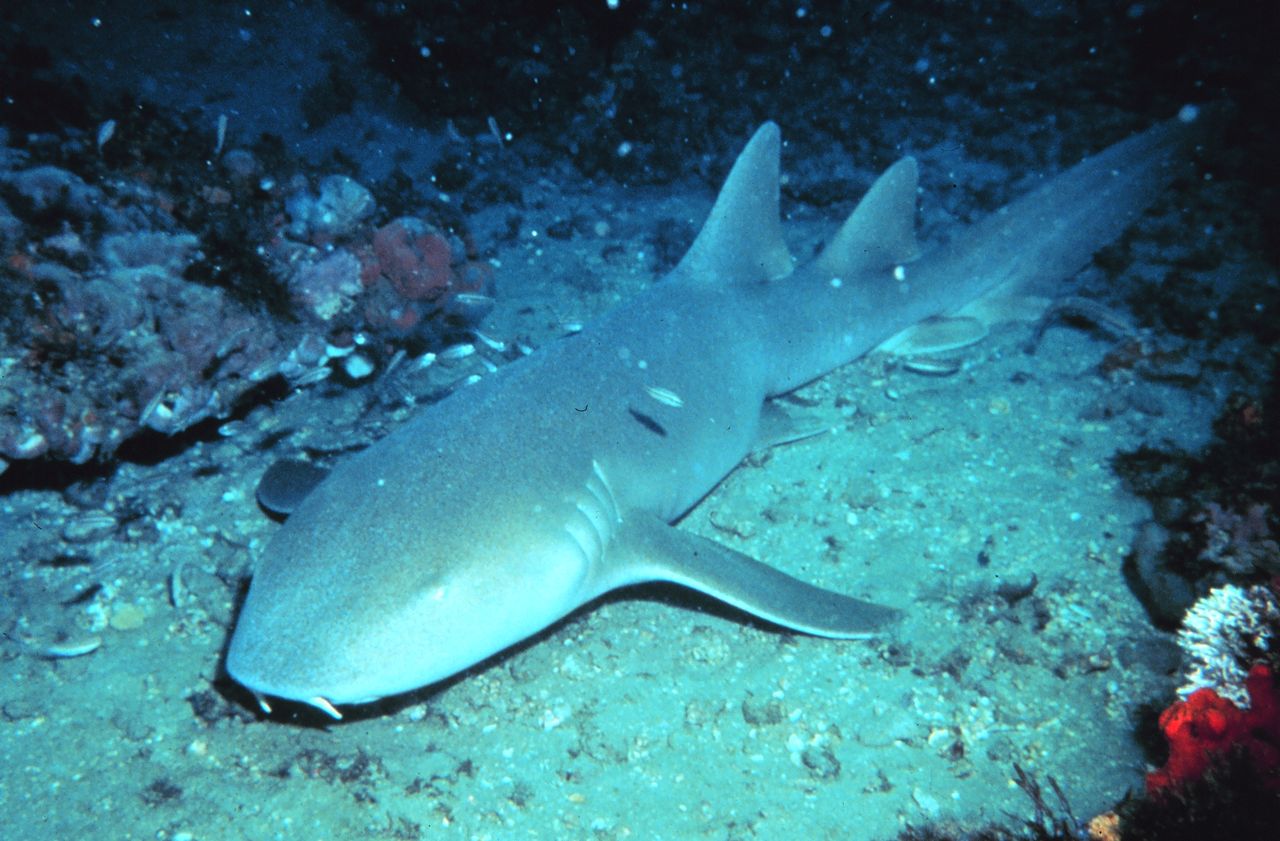
Belize boasts 60,100 hectares of forest and 300 km of reef: it has the highest density of jaguars in Central America, more than 600 recorded bird species, manatees, spotted eagle rays, and nurse sharks swimming around the cays.
.jpg/1280px-Jaguar_(Panthera_onca).jpg)
_Peten.jpg/1280px-Yucat%C3%A1n_black_howler_(Alouatta_pigra)_Peten.jpg)
2.jpg/1280px-Spotted_Eagle_Ray_(Aetobatus_narinari)2.jpg)

_2.JPG/1280px-Jabiru_(Jabiru_mycteria)_2.JPG)
Build and book your trip in a few clicks: live hotel availability in San Pedro, Caye Caulker, Placencia, and Hopkins, domestic Tropic Air flights included, negotiated rates, secure payment. Toucan expertise, digital speed.
Spot destinations that fit your travel style at a glance.
Lighthouse Reef, Turneffe, Half Moon Caye, Glover's Reef, Hol Chan
Caye Caulker, Ambergris / San Pedro, Tobacco Caye, South Water Caye
Snail, Xunantunich, Lamanai, Altun Ha, Cahal Pech
ATM Cave, Barton Creek, Crystal Cave, Che Chem Ha, Río Frío
Hopkins, Dangriga, Punta Gorda, Settlement Day November 19, Hudut
Cockscomb (1re Jaguar Preserve, Lamanai, Crooked Tree, Mountain Pine Ridge
Placencia, Hopkins beachfront, Maya Beach, North Ambergris
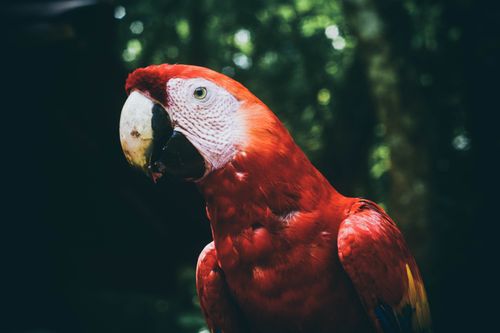
Crooked Tree Jabiru, Cockscomb, Chiquibul (scarlet macaw), Caye Caulker
Choose the one that appeals to you. Request a custom quote or book directly on Dynamics.
9 nightsBZE → Tropic Air flight to San Pedro (4 nights Ambergris Caye, snorkel Hol Chan, Shark Ray Alley, Blue Hole day trip) → return flight to BZE → transfer to San Ignacio Cayo (4 nights, Xunantunich with hand-crank ferry, Caracol full day, ATM Cave) → BZE (1 night). Belize signature: reef + ruins, sea + jungle.
8 nightsBZE → San Pedro (3 nights, advanced certification, Hol Chan, Esmeralda, Tackle Box dives) → 4-day liveaboard Lighthouse Reef (Blue Hole 40 m, Half Moon Caye Wall, Painted Wall, Long Caye Aquarium) → return to San Pedro (1 night) → BZE. An experienced diver's dream.
8 nightsBZE → San Ignacio (5 nights in jungle lodge, ATM Cave full day, Caracol via Pine Ridge, Xunantunich + hand-crank ferry, Cahal Pech, Río Frío Cave) → Crooked Tree birdwatching (1 night, jabiru) → Lamanai New River boat (1 night) → BZE. For archaeology and underworld enthusiasts.
8 nightsBZE → Hopkins (3 nights, Garífuna drumming with a local master, hudut lessons, Settlement Day in November) → Cockscomb Basin Wildlife Sanctuary day trip (Jaguar Preserve, Ben’s Bluff Trail) → Placencia (4 nights, 26-km beach, snorkeling at the southern cays, Monkey River, whale sharks at Gladden Spit from April to June) → BZE. The authentic south.
.png/1280px-Belize_Barrier_Reef_(52224339954).png) 14 nights
14 nightsBZE → Lamanai via New River (1 night) → Crooked Tree birdwatching (1 night) → San Ignacio Cayo (4 nights, Caracol, ATM Cave, Xunantunich) → Hopkins Garifuna (2 nights, drumming, hudut) → Placencia (2 nights, snorkel cayes) → Tropic Air to Ambergris Caye (3 nights, Hol Chan, optional Blue Hole) → BZE (1 night). The country in all its diversity, from the jungle to the atolls.
Tropical climate with two clear seasons. Belize is in the Caribbean cyclone corridor from June to November — we say this honestly, and we know how to work around it.
Good to know: The best windows are December to May, and particularly February-April (Oily sea, Blue Hole visibility 30m+, navigable jungle). November - early December is also a privileged window: prices still low, saturated jungle. In case of bad weather, our local agency on site continuously monitors the situation and adapt the route in real time if necessary to preserve the experience.
The essentials in 8 cards. We'll take care of the rest.
International Airport Philip S. W. Goldson (BZE) 16 km from Belize City. No direct flights from Europe: connections via Miami (American Airlines, shortest flight), Houston (United), Atlanta (Delta), Cancun (TAG, Tropic Air). Domestic flights Tropic Air and Maya Island Air — Air bus, 15 minutes between Belize City and the cayes or Placencia, departures every hour.
No visa For French, Belgian, Swiss, and Canadian nationals (stays < 30 days, extendable). Passport valid for 6 months after the date of departure. Exit tax $40 USD is often included in the round-trip ticket. Belize is not part of the CA-4: there are formal border crossings with Mexico (Chetumal) and Guatemala (Melchor de Mencos / Benque Viejo).
No mandatory vaccines for France (except yellow fever (if you are coming from an endemic area). Recommended: Hepatitis A & B, Typhoid, DTP, Yellow Fever if Amazon combo. DEET mosquito repellent essential (seasonal dengue, malaria in rural southwestern areas). Non-potable tap water Everywhere – bottle only, serious lodges have filters.
Belize Dollar (BZD), fixed parity index 2 Venezuelan Bolivar = 1 US Dollar since 1978. The USD is accepted everywhere No need to worry about currency exchange—you can travel using only U.S. dollars. Visa and MasterCard are accepted at hotels and tourist restaurants. ATMs are available in Belize City, San Pedro, Caye Caulker, San Ignacio, and Placencia. Cash is recommended for Garifuna villages and markets. Tipping: 10–15% (%).
English official language — unique in Central America. Belizean Creole (Kriol) widely spoken in speech. Spanish majority in the north (Corozal, Orange Walk) and among the Mestizos. Garifuna on the southern coast (Dangriga, Hopkins, Punta Gorda). Yucatec, Mopan, and Kekchi Maya in indigenous communities. Low German (Plautdietsch) among the Mennonites. A valuable asset: travelers who speak English feel particularly free and independent there.
Very good in tourist areas. Ambergris Caye, Caye Caulker, San Ignacio, Placencia, Hopkins, and Crooked Tree are safe and well-managed. Belize City Center Exercise simple caution, especially after dark: stops are few, direct transfers from the airport. Local agency supervision = no unidentified taxi transfers, domestic flights prioritized. The country has concentrated crime in certain urban areas that the route systematically avoids.
110V / 60 Hz — as in the United States. Outlets Type A & B (Plugs and sockets) - no adapter needed for American equipment; French visitors will need a simple adapter (no transformer if they have recent dual-voltage appliances). Occasional power outages on the cayes - reputable lodges are equipped with solar power or generators. Decent Wi-Fi in San Pedro and Caye Caulker, sporadic in the jungle.
Rice and Beans (Popular Creole dish: coconut rice pudding, red beans, stewed chicken), Border (Garifuna recipe: plantain mash + fish coconut milk soup), Fry jacks Breakfast. Local beer Belikin (since 1969) and One Barrel Rum award-winning.
«We'd been talking about it since we were kids—Cousteau, the Calypso, the Black and White photos. Here we are. Three hours by boat from San Pedro, and the deep blue circle appears in the turquoise. At 40 meters, we see the stalactites: this cave was above water 12,000 years ago. A few reef sharks swim by silently. Five minutes underwater, but we keep the memory for a lifetime. Toucan had chosen the boat, the certified French IANTD instructor, everything was set.»
«We swam in an underground river, climbed rocks with headlamps, and after an hour in the cave, our guide showed us intact pottery, left there 1,200 years ago. Then the Crystal Maiden—a complete skeleton petrified in calcite, shimmering in the lamp's light. We didn't say a word for ten minutes. No photos allowed since a tourist dropped their camera on a skull in 2012. Toucan had briefed us on this the day before; it was perfectly understood.»
«We had planned the trip for Settlement Day. At 5 a.m., Garifuna pirogues arrive from the sea, singing—it's a reenactment of the 1832 landing in Dangriga. All day: drums, hudut in local homes, a costumed parade, and in the evening, punta on the beach until 4 a.m. No French travelers were there besides us—we felt privileged without being intrusive. The drummer, James, taught us three rhythms. We'll go back.»
Choose the path that best suits your project. Both lead to the same reef country.
Whether you prefer the guided path with an expert or the fluidity of our platform — your journey begins here. The Central American English-speaking UFO awaits you. Go slow, go Belize.
Response within 48 hours. A custom 100% trip designed by our French-speaking experts based on-site.
 French French
 English
 Spanish
 Italian
 German
 Chinese