El Salvador · Archaeological sites

Joya of Cerén

« The Pompeii of the Maya » — a Maya farming village frozen under ash in 600 AD, El Salvador's only UNESCO site, plus the Tazumal pyramid to complete it.

600 AD · Loma Caldera eruption freezes Cerén
1993 Joya de Cerén UNESCO World Heritage
24 m Tazumal pyramid height · tallest in ES
Discover
Maya heritage · About the sites

The only UNESCO site in El Salvador

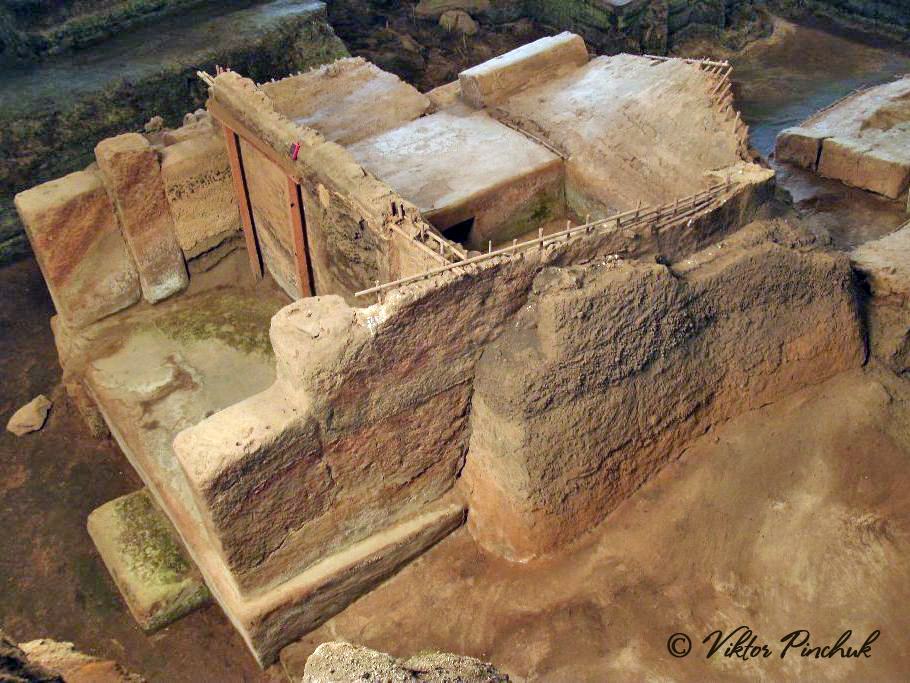
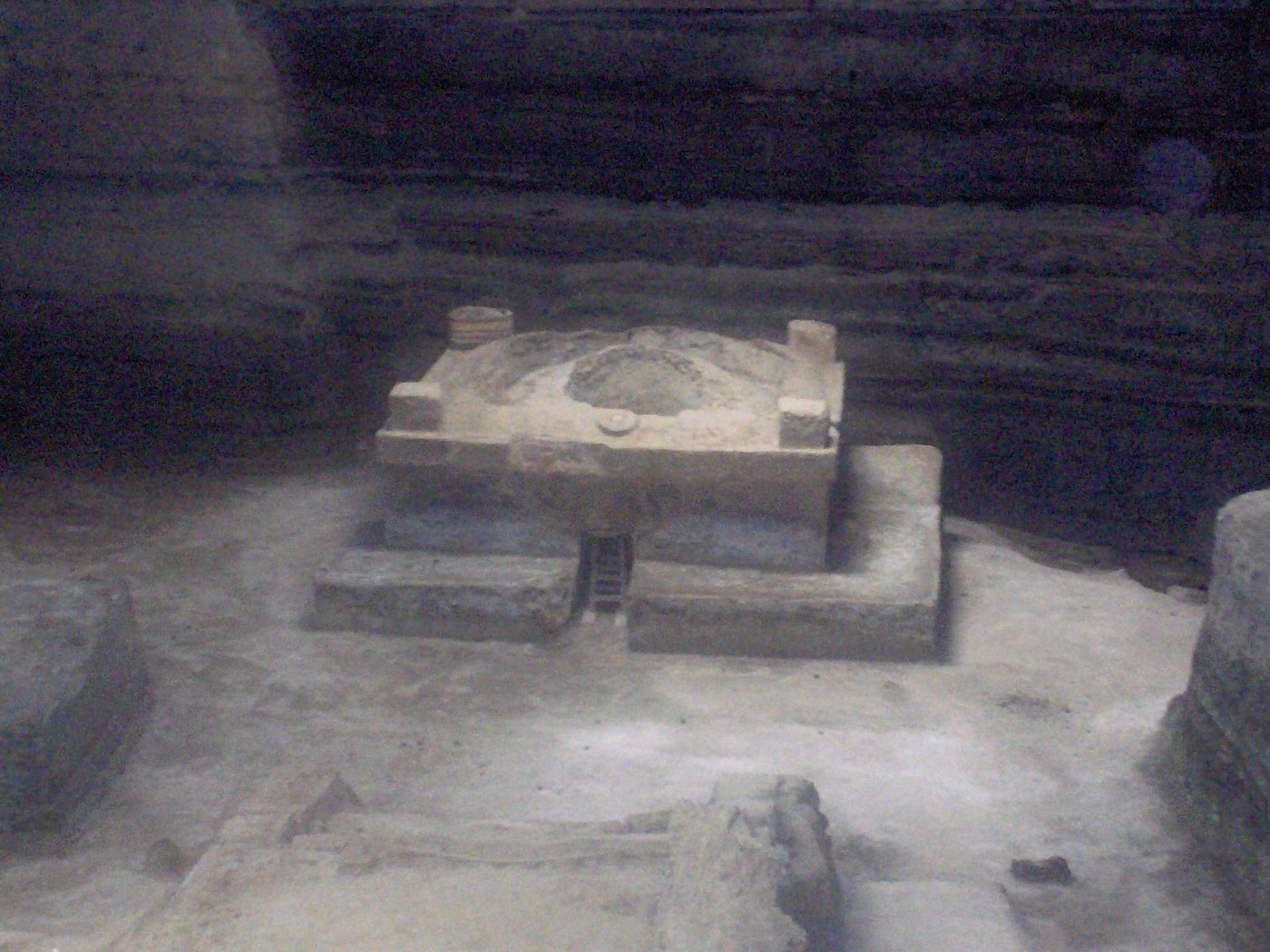
Joya de Cerén — nicknamed "the Pompeii of the Maya" and El Salvador's only UNESCO site (since 1993). In the year 600 AD, the volcanic eruption of the Loma Caldera buried within hours a Maya farming village under 4 to 8 meters of ash. The inhabitants fled in time (no bodies found), abandoning everything: houses, workshops, altars, gardens, half-eaten meals. Discovered by chance in 1976 by a bulldozer building grain silos.

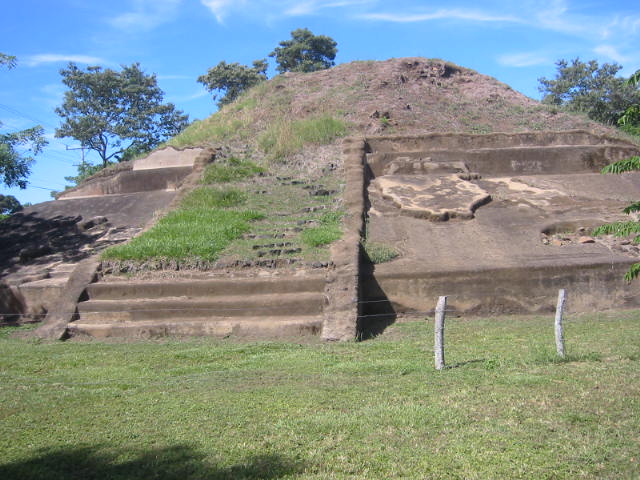
An exceptional site because no other Maya village has reached us intact : Tikal, Copán and Palenque show the royal ceremonial centers. Cerén shows the daily life of Maya farmers — their wattle-and-daub houses, their cassava/corn fields, their utensils. 1h further west, Tazumal (Chalchuapa) = a post-Classic Maya pyramid (650-1200 AD), 24 m tall, the most impressive in El Salvador. Discovered in 1942. Next door: White House former ceremonial center + workshop ofindigo. San Andrés 30 min away = another major Maya site.

Our field tip: 1 night is enough, based in San Salvador (30 min). Half-day program Joya de Cerén + San Andrés (30 min between the two), or full day Joya de Cerén + Tazumal + Casa Blanca via Santa Ana. A specialist site = for archaeology lovers. Combinable with any other ES destination.

Joya de Cerén Maya ruins farming village UNESCO
📍 Joya de Cerén · La Libertad · El Salvador
Landmarks

Geography & climate

The essentials to know before flying off — situation, access, temperatures, and best time to go.

Map

Situation & Access

  • 📍Joya de CerénLa Libertad · 35 km northwest of San Salvador · 460 m altitude · 30 min from the capital
  • 📍Tazumal & Casa BlancaChalchuapa, Santa Ana · 80 km west of SAL · 1h15 from SAL, 30 min from Santa Ana
  • 📍San AndrésLa Libertad · 32 km west of SAL · 5 km from Joya de Cerén · combinable
  • AirplaneAirportSan Salvador SAL · 1h-1h30 · main roads in good condition
  • 🚗VisitPrivate car + driver ideal · easy roads, on-site parking
☀️

Climate & Season

  • ThermometerTemperature30°C day / 20°C night · dry tropical climate at the sites
  • ☀️Summer (dry)November-April · ideal for visiting the archaeological sites
  • 🌿WinterMay-October · late-day rains · sites accessible (roofed)
  • 🌅Optimal visitMorning (8-11am) · soft light, less heat, fewer people
  • 📅Sites closed on MondaysAll archaeological sites · plan Tuesday-Sunday

Month by month — when to go?

Hover over the months to identify the best windows.

January
☀️
February
☀️
March
☀️
avr
Partly cloudy
May
🌿
June
🌿
July
🌿
August
Rain
September
Tornado
October
Rain
November
💎
December
☀️
Sweet spot Toucan High season Off-season
Don't miss it

The 5 experiences signature

What we systematically recommend to our travelers. With, under each experience, the on-the-ground secret that makes the difference.

1Joya de Cerén UNESCO Maya ruins
🏛️ UNESCO 1993

Joya de Cerén — UNESCO site

El Salvador's only UNESCO site (since 1993). Maya farming village frozen in 600 AD by the Loma Caldera eruption. Guided tours (Spanish, English on request). See wattle-and-daub houses, workshops, altars, gardens, utensils. Small educational museum with recovered objects (utensils, baskets, dishes). $3 entrance. Open Tuesday-Sunday 9am-4pm. 1h30 visit. Combinable with San Andrés (5 km, 15 min).

⏰ Morning before 11am📚 Guided tour recommended
2Tazumal pyramid Chalchuapa El Salvador
🏛️ Tallest pyramid in ES

Tazumal & Chalchuapa

1h15 from SAL (toward Santa Ana), Tazumal = a post-Classic Maya pyramid (650-1200 AD), 24 m tall, the tallest in El Salvador. Discovered in 1942. Small museum with pre-Columbian objects. You can climb the steps for an overall view. Next door: White House (another ceremonial site + workshop ofindigo where you can learn dyeing). $3 entrance each. Combinable as a half-day with Joya de Cerén or Santa Ana.

🏛️ Tallest pyramid in ES🎨 Casa Blanca indigo workshop
3San Andrés Maya ruins El Salvador
🏛️ Ceremonial center

San Andrés — the ceremonial center

5 km from Joya de Cerén (15 min), San Andrés = another major Maya site, complementary to the farming village. Ceremonial center with acropolis, plazas, imposing structures, late Classic period (650-900 AD). A small, well-designed museum (entrance included). 30 min visit. Combines perfectly with Joya de Cerén — a smart duo: ceremonial center + farming village = a complete portrait of Maya society. $3 entrance.

🏛️ Impressive acropolis⛏️ Unique combo with Cerén
4Casa Blanca añil indigo Chalchuapa
🎨 Ancestral indigo

Casa Blanca & añil workshops

Next to Tazumal, White House = archaeological site + living añil (indigo) workshops. Añil, colonial El Salvador's main export, has been revived since the 2000s. Dyeing classes 1-3h ($15-50): indigo paste preparation, resist patterns (ancestral Nahuat-Pipil techniques), dipping, drying. Leave with a dyed scarf or T-shirt. A perfect combination Maya archaeology + colonial craftsmanship.

🎨 Indigo class 1-3h📦 A one-of-a-kind souvenir
5MUNA museum San Salvador Maya
🏺 Preparation

MUNA San Salvador (preparation)

Before or after the sites, the National Museum of Anthropology David J. Guzmán (MUNA) in San Salvador offers the best context : pre-Columbian objects from the sites visited, reconstructions, bilingual educational panels. Essential for understanding the civilizations Mayas, Pipils, Lencas, Olmecs. $3 entrance. 2h visit. Ideally before the sites to understand, after to recap.

📚 Before the sites = key🏛️ MUNA Zona Rosa SAL
Mind map

3 major archaeological sites

3 complementary sites 30 min - 1h30 from SAL: Joya de Cerén (UNESCO, farming village), San Andrés (ceremonial center, 5 km from Cerén), Tazumal + Casa Blanca (Chalchuapa, post-Classic pyramid + indigo, 1h further west).

Joya de Cerén (UNESCO)

For: Maya daily life · unique UNESCO

  • Classical building Farming village frozen in 600 AD
  • 🏠 Wattle-and-daub houses, workshops, gardens
  • 📚 Educational museum included
  • 1h30 visit · morning ideal
  • 💵 $3 entrance · Tuesday-Sunday

San Andrés (ceremonial center)

For: Classic Maya architecture

  • Classical building Acropolis, plazas, structures
  • 📅 Classic period 650-900 AD
  • 📚 Small, well-designed museum
  • 30 min visit · combinable with Cerén
  • 📍 5 km from Joya de Cerén

Tazumal + Casa Blanca

For: pyramid + indigo + Santa Ana

  • Classical building 24 m post-Classic pyramid
  • 🎨 Casa Blanca + indigo workshops
  • Classical building Combinable with Santa Ana 30 min
  • 1h30 visit each
  • 📍 1h15 from SAL · 80 km west
Bestiary

Nature that you attend

The archaeological sites sit in open farmland (sugarcane, corn, coffee). No dedicated nature reserve, but wildlife typical of Central America's dry forests + field birds. Reserva del Bosque San Diego-La Barra 40 min from Tazumal for nature lovers.

🐦
Torogoz
Eumomota superciliosa
Site gardens · morning · NATIONAL BIRD
🦋
Blue Morpho
Tropical Morpho
Nearby forests · morning
🦎
Green iguana
Green iguana
Sites · daytime
🦅
Crested caracara
Caracara cheriway
Fields · daytime
🐦
Hoffmann's woodpecker
Melanerpes hoffmannii
Trees around the sites · morning
🌺
Maquilishuat
Pink trumpet tree
March-April · NATIONAL TREE
Gastronomy

Flavors of the countryside

Farming region = traditional country cooking. Olocuilta (the world capital of pupusas) 30 min south of the sites. Corn everywhere (tortillas hot off the comal, atol), farm products, tropical fruit. Authentic ranchero restaurants on the road between the sites.

🫓 Pupusas Olocuilta
~$0.50-1 — each
Olocuilta = the world capital of pupusas, 30 min south of the archaeological sites. Pupusería Margoth (an institution), Pupusería Olocuilteñas. Endless variations (queso, frijol, chicharrón, loroco, ayote, revuelta). A mandatory stop on the SAL → sites route.
🌽 Tamales pisques
~$2 — room
Salvadoran tamales: corn dough + meat + sauce, wrapped in a banana leaf. A family Sunday tradition. Try them in the fritangas (popular eateries) along the road, or at the Mercado de Chalchuapa near Tazumal.
🐔 Pollo encebollado
~$6 — dish
Chicken braised with onions, rice, plantain, salad. The dish of rural restaurants between the sites. Traditional ranchos with shaded terraces (coconut grove, mango trees). Restaurante El Sol Chalchuapa, ranchos on the Joya de Cerén road.
🌽 Atol blanco
~$1 — bowl
Creamy hot drink of ground white corn + milk + sugar + cinnamon. Served in a jícara. A thousand-year-old indigenous tradition, preserved since the Pipil Maya. Breakfast or snack. Street vendors at the Chalchuapa and Olocuilta markets.
🍓 Frutas tropicales
~$1-2 — batch
Farming region = fresh fruit from the fincas. Mango, papaya, jocote, anona, mamey, marañón (cashew fruit). Sold at the entrances of the archaeological sites by local farmers. Very low prices. Enjoy on the spot or take away for a picnic.
🍵 Salvadoran cacao
~$5 — tablet
Cacao revived since 2010 (ancestral Pipil varieties). Artisanal bars Las Veraneras (Suchitoto), Cacao Latino. Hot drink (chocolate de mesa) to taste. A premium gourmet souvenir. A thousand-year-old Maya tradition.
Our field selection

Where sleep ?

No accommodation directly at the archaeological sites (rural areas). Base in San Salvador (30 min Joya de Cerén, 1h15 Tazumal) or Santa Ana (30 min Tazumal). Site visits = half-day or full-day excursion from these bases.

5 stars
Real InterContinental (San Salvador)
Luxury business tower Zona Rosa SAL · 226 rooms · pool · spa · 4 restaurants · near MUNA
Premium travel · Sites base
⚡ Book Dynamics
4 stars
Hotel El Capricho (Coatepeque, Santa Ana)
Lakefront boutique · 12 rooms · pool · restaurant · 30 min from Tazumal
Couples · Tazumal base
⚡ Book Dynamics
4 stars
Sheraton Presidente (San Salvador)
Colonial boutique Zona Rosa · 230 rooms · pool · gardens · near MUNA + sites
Couples · Families · Business
⚡ Book Dynamics
3 stars
Hotel Casa Frolaz (Santa Ana)
Colonial boutique in central Santa Ana · 14 rooms · garden · near the cathedral and Tazumal
Couples · Independent Travelers
⚡ Book Dynamics
3 stars
Tolteka Plaza Hotel (Santa Ana)
Central Santa Ana hotel · 60 rooms · pool · near the cathedral + Tazumal 30 min
Business · Small budget · Sites base
⚡ Book Dynamics
Field expertise

Tips Experts Toucan

Real tips that guides don't give you. 8 on-the-ground shortcuts to save time, money, and frustration.

📅
DAY

Tuesday-Sunday only

All the archaeological sites are closed on Mondays. Plan your visit Tuesday-Sunday, 9am-4pm. Ideally in the morning (before 11am) for soft light and less heat. $3 entrance per site (cheap).

Alarm clock
Duration

Half-day to 1 day

Half-day: Joya de Cerén + San Andrés (5 km apart). Full day: Joya de Cerén + San Andrés + Tazumal + Casa Blanca (via Santa Ana). No need to sleep on site: excursion from SAL or Santa Ana.

📚
CULTURE

MUNA before the sites

Visiting the MUNA San Salvador BEFORE the sites = the key to understanding. Pre-Columbian objects, reconstructions, bilingual educational panels. 2h, $3. Context for the Pipil Maya and Lenca civilizations. Otherwise: local guide on site ($10-15).

🚗
TRANSPORT

Private car ideal

Private car + driver = the Toucan solution (sites in rural areas, no direct buses between them). $80-120/day for a full day SAL → sites → SAL. Public buses exist but are impractical between sites. Private taxi between sites $20-30.

🌅
LIGHT

Morning = best photos

Morning light (8-10am) = ideal for photographing the archaeological sites. Cast shadows, golden light, fewer tourists. Joya de Cerén = opens 9am, arrive at 9am. Tazumal = also opens 9am. Bring a hat, water, sunscreen.

🎨
INDIGO

Casa Blanca añil class

Indigo workshop at Casa Blanca (next to Tazumal). 1-3h class ($15-50): indigo paste preparation, resist patterns, dipping, drying. Leave with your own dyed fabric. Combinable with a Tazumal visit in a half-day. A one-of-a-kind souvenir.

🌽
PUPUSAS

Olocuilta on the way

Olocuilta = the world capital of pupusas, 30 min south of the sites. A mandatory stop on the way from SAL or on the way back. Pupusería Margoth = an institution. Combine Joya de Cerén visit + lunch in Olocuilta + return to SAL = the perfect half-day combo.

📸
PHOTOS

Drones forbidden

Drones are forbidden at all archaeological sites (UNESCO + national). Smartphone/camera photos OK. Tripods tolerated. The ruins are protected by roofing (Joya de Cerén) = photos under the roof, no direct sunlight. Adjust your framing.

⚠️ Avoid — classic pitfalls

  • Monday for the sites: all closed. If Monday is your only available day, the MUNA San Salvador stays open.
  • Without prior context: the sites are precious but visually modest. MUNA + guide = the key.
  • Comparing with Tikal/Copán: Cerén is not a great ceremonial center but a frozen farming village. A totally different charm. Appreciate it for what it is.
  • Everything in the afternoon: intense heat (30°C+) at the open-air sites. Morning is a must.
  • Drones: strictly forbidden. Possible confiscation.
  • Drinking tap water: Non-potable. Bottled water only.
📄

Joya de Cerén & Tazumal

This guide is our first reference for El Salvador's archaeological sites. For a detailed file (guided visits, transfers, accommodation bases), contact us — specialized partner DMC.

✉️ Request full file
Frequently Asked Questions

Your questions, our answers

The 6 questions we get asked most often about Joya de Cerén and the archaeological sites.

How much time for the sites?
Half-day to 1 day. Half-day: Joya de Cerén + San Andrés (a logical combo, 5 km apart, 4h). Full day: add Tazumal + Casa Blanca via Santa Ana. No need to sleep on site: excursion from SAL or Santa Ana.
Is Joya de Cerén worth the detour?
Yes, for lovers of archaeology or of civilizations. A unique UNESCO site: the only Maya farming village preserved intact (the other sites show ceremonial centers). Visually modest but culturally exceptional. With MUNA + guide = a deep experience.
Tazumal or Joya de Cerén?
Both ideally because they're complementary: Tazumal = an impressive post-Classic pyramid. Joya de Cerén = late pre-Classic daily life. If you must choose: Joya de Cerén for its UNESCO uniqueness. If doing a full-day combo: do both + Casa Blanca indigo.
Sites comparable to Tikal or Copán?
No, a different scale. Tikal/Copán = great Classic ceremonial centers with imposing pyramids. Salvadoran sites = more modest but unique (Joya de Cerén = preserved daily life). To be appreciated for their singularity, not their monumentality.
Do you need a guide?
Strongly recommended for Joya de Cerén (the explanations transform the experience). Official guide on site ($10-15) or via DMC (included in the transfer). Tazumal and San Andrés = a guide is less necessary (the panels are enough). MUNA SAL = audio-guide or group.
What budget?
Sites are very affordable : $3 entrance per site, guide $10-15. Private car + driver $80-120/day. Accommodation in SAL or Santa Ana ($50-280/night depending on category). Meals $5-25. Total half-day at the sites $40-80/pers all included (excluding hotel).
Ready to go?

We organize your archaeological trip to El Salvador

Build your archaeological excursion via Toucan Dynamics — guided visits to UNESCO Joya de Cerén, Tazumal, private transfers. Or let us prepare everything: DMC since 2018 with extensive partnerships across Central America — French-speaking advisor in San José, complete El Salvador tours with Maya and colonial heritage.

You are travel agent or tour operator Toucan Discovery is your DMC receptive Costa Rica — B2B access on Dynamics, net pricing, French-speaking support in San Jose, on-site expertise since 2018 across the country.