
In short: Costa Rican coffee is a 100% highland Arabica, grown in eight recognized regions, from Tarrazú to the Central Valley. Since 1989, the law even banned planting Robusta to keep only quality. To discover it, the best way remains visiting a finca (from $25) between November and February, in the middle of harvest.
When a client asks me what to bring back from Costa Rica, I almost always answer the same thing: a good bag of Costa Rican coffee. Not the industrial coffee from supermarkets, but the one from a small mountain finca, roasted the week before. Costa Rican coffee isn't just a drink: it's the bean that built the country, funded its national theater, and shaped the green landscapes you cross when traveling. After fifteen years walking these valleys, here's what you really need to know before drinking a cup — or bringing home a suitcase of it.
Why Costa Rican coffee is so renowned
The reputation of Costa Rican coffee comes down to a radical choice: quality before quantity. In 1989, the country passed a law banning the cultivation of anything other than Arabica on its soil — in other words, Robusta, more productive but more bitter, was banned. Costa Rica thus became the only country in the world to legally allow only Arabica. The rule was relaxed in 2018 in the face of some producers' difficulties, but in practice, Arabica continues to reign almost unchallenged.
All of this is overseen byICAFE (Instituto del Café de Costa Rica), the institute that watches over quality standards, from cherry to cup. Another useful marker: the SHB (Strictly Hard Beanlabel, reserved for coffees grown above 1,200 meters. At altitude, the cherry ripens more slowly, the bean becomes denser, the acidity finer. That's what gives Costa Rican coffees their clean aromas of dried fruit, chocolate, and vanilla.
The great coffee regions
Costa Rica counts eight recognized coffee regions , each with its own cup profile. The most famous, by far, is Tarrazú, south of San José: it alone accounts for nearly 35% of national production, grows between 1,200 and 2,000 meters (nearly 95% of its beans are classified SHB), and earned its designation of origin in 2019. It's the terroir of the country's most complex coffees.
| Region | Where | Profile / distinctive trait |
|---|---|---|
| Tarrazú | South of San José (Los Santos) | The most renowned, high altitude, fine acidity and full body |
| Central Valley | Around San José, Heredia | Historic cradle, near the Poás and Barva volcanoes |
| Western Valley | Naranjo, San Ramón | Balanced coffees, notes of fruit and honey |
| Tres Ríos | East of the Central Valley | Nicknamed “the Bordeaux of coffee” |
| Orosi | Near Cartago and Irazú volcano | Verdant valley, gentle cup |
| Turrialba | Center-east | Lower altitude, softer, earlier coffee |
| Brunca | South (Pérez Zeledón, Coto Brus) | Large production, often community-driven |
| Guanacaste | Northwest | More modest altitude, light coffee |
The bean that made the country
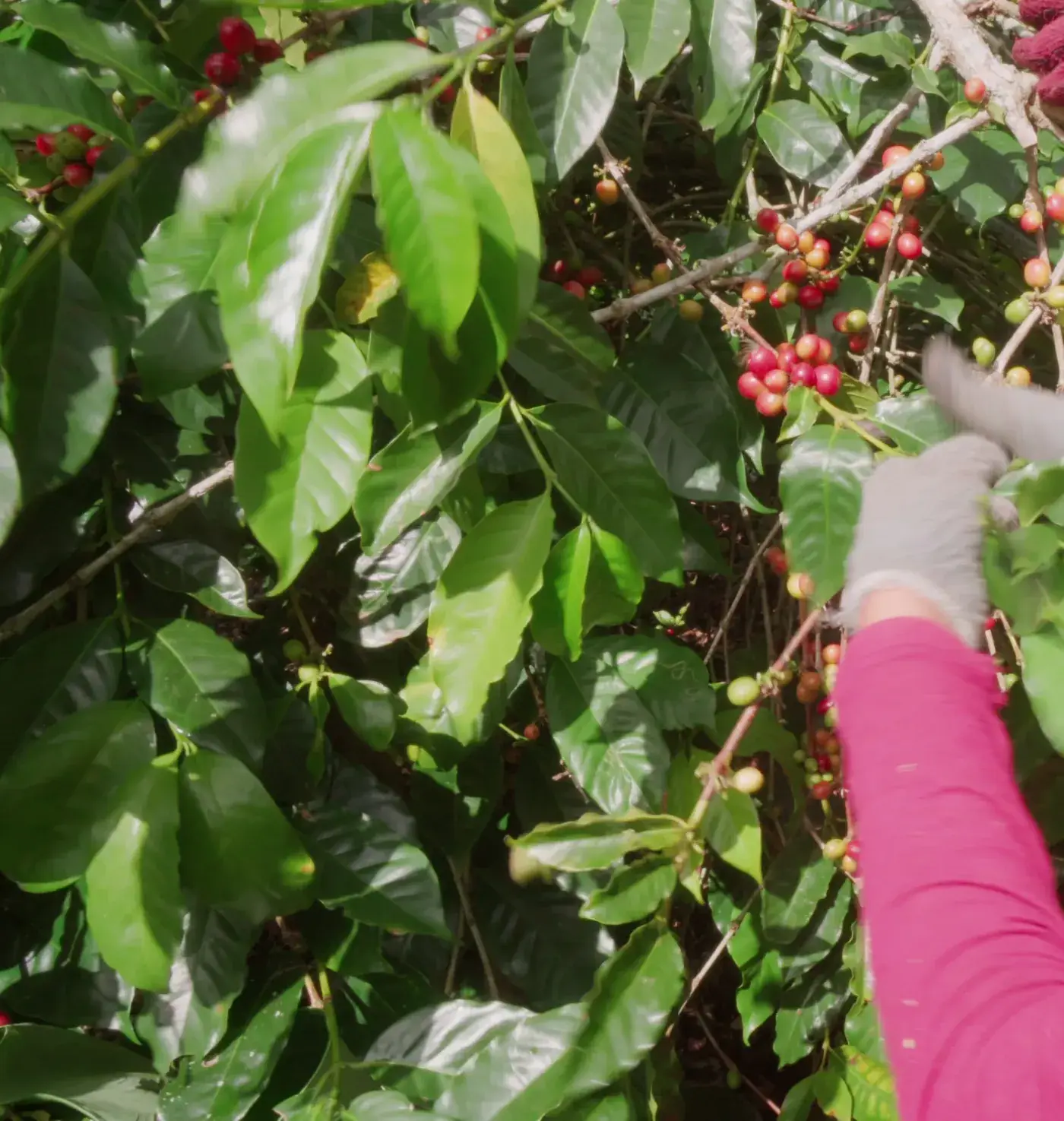
To understand Costa Ricans' attachment to their coffee, you have to go back to the late 18the century, when the first coffee trees arrived on thealtiplano. As early as 1820, the country exported its first bags, and the Central Valley became covered in fincas. Coffee became the engine of the national economy — nicknamed the “grano de oro”, the golden bean. It's this wealth that funded emblematic infrastructure like the National Theater of San José.
Even today, coffee growing shapes the landscape: those meticulously planted green hills you drive past on the way to Monteverde or Arenal are often coffee farms. Coffee is part of the ticaidentity, as much as “pura vida”.
Visiting a finca: the best coffee tours
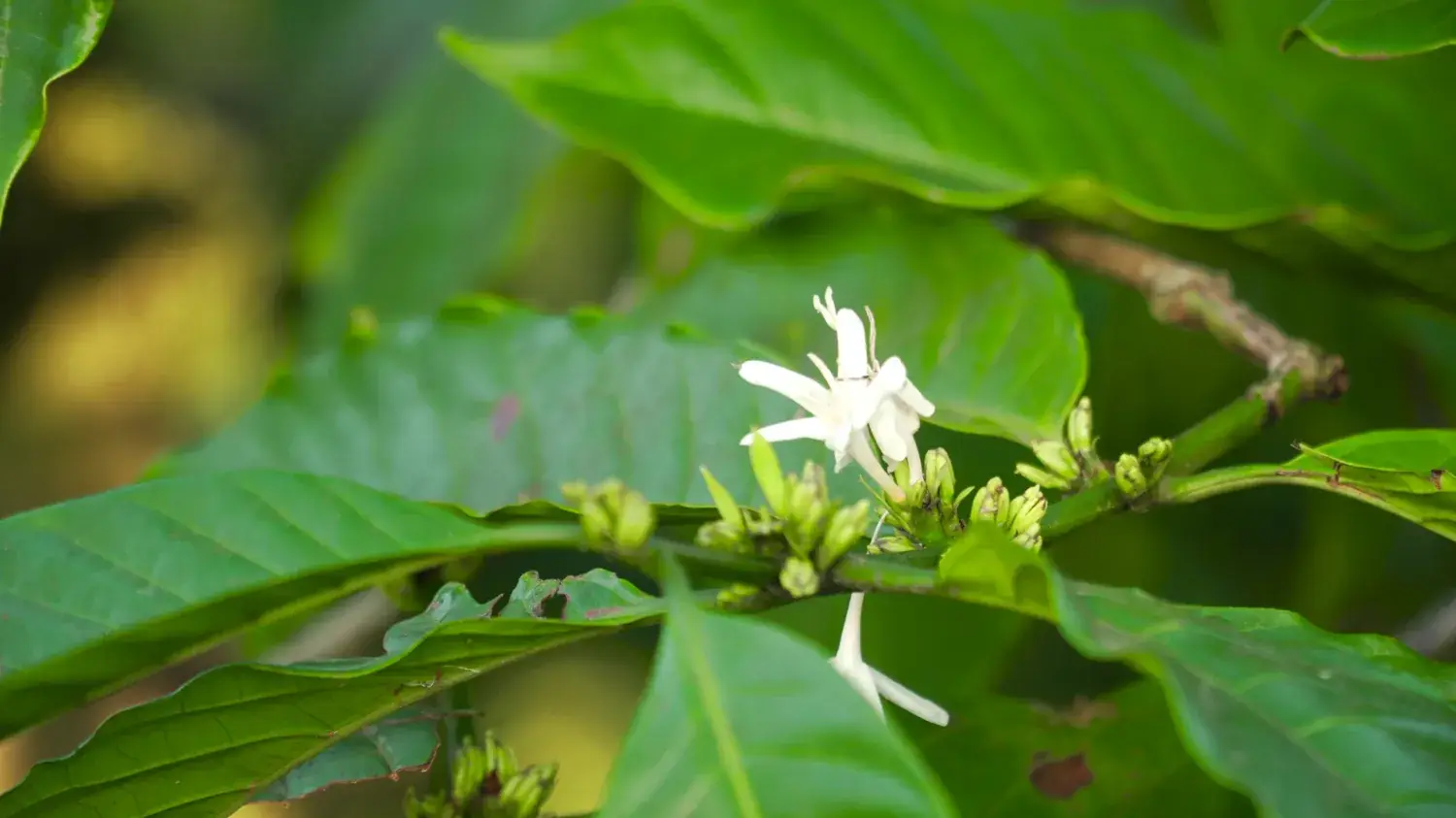
The finest way to understand coffee is to go see it grow. A coffee tour takes you from the coffee tree to the cup: picking, pulping, drying, roasting, then tasting. Most of the big plantations are under two hours from San José, which makes it an excellent first (or last) day of the trip.
| Finca | Area | Indicative 2026 price |
|---|---|---|
| Doka Estate | Poás volcano slopes (Alajuela) | from $25 (classic) → $65 (premium) |
| Café Britt | Heredia (Central Valley) | about $30, show format |
| Holy Spirit | Naranjo (Western Valley) | $30 to $50, more intimate |
| El Trapiche / Don Juan | Monteverde | coffee + sugarcane + cacao |
My field tip: if you want the most authentic experience, aim for the harvest season, November to February. It's the dry period, and it's the only time you can actually pick the cherries and see the beneficio (the processing unit) running at full tilt. Out of season, the visit remains interesting but more demonstrative.
When to go and how to organize
The harvest coincides with the dry season, which is also the best time to travel in the country: if you're unsure about dates, our guide When to go to Costa Rica details the ideal months region by region. A coffee day fits very well at the start or end of a tour, for example in our15-day itinerary.
Most fincas are easy to reach by car: allow about €70/day for the rental, basic insurance included (see our guide to car rental in Costa Rica). And since coffee is grown on often committed family farms, it's also a fine gesture of responsible tourism : by buying directly from the producer, you support the local economy.
Want to add a plantation visit and a night at a producer's home to your trip? You can build your itinerary directly on Toucan Dynamics, or let us build the program tailor-made.
Choosing (and bringing home) your coffee well
A few markers so you don't go wrong when buying. Favor a coffee labeled SHB and, if possible, with the region indicated (Tarrazú, Tres Ríos, Western Valley…). Also look at the process: the washed gives a clean, bright cup, the honey a rounder, sweeter coffee, the natural fruitier notes. Check the roast date : a freshly roasted coffee always beats a big name forgotten on a shelf.
Buy at the finca or from a micro-beneficio rather than at the airport: it's cheaper, fresher, and you leave with a story. Prefer whole beans to ground coffee, which keeps less well for the trip home.
Frequently Asked Questions
Is Costa Rican coffee really Arabica?
Yes. A 1989 law long banned planting anything other than Arabica in the country. Even though the rule was relaxed in 2018, virtually all Costa Rican coffee remains highland Arabica.
What is the best time for a coffee tour?
The harvest season, roughly November to February. That's when you can pick the cherries and see the whole processing in action. It's also the dry season, ideal for traveling.
Which coffee region to choose?
Tarrazú for lovers of complex, bright cups, the Central Valley or Tres Ríos for balanced coffees. For an easy visit from San José, the Poás volcano slopes (Doka) or Heredia (Café Britt) are perfect.
How much does a plantation visit cost?
From about $25 per person for a classic visit, up to $65 for premium formats with in-depth tasting and roasting.
Le café est une porte d entrée dans le quotidien costaricien. Pour le reste — le lexique tico, les codes de politesse, les plats et les fêtes de village — nous avons écrit un guide complet : Pura Vida : comprendre la culture du Costa Rica.
Want to see coffee from the inside?
A morning at a finca, the scent of the beneficio in mid-harvest, a tasting facing the volcanoes: it's the kind of experience you don't forget. Tell us what tempts you, and we reply within 24h with a tailor-made proposal. Prefer to explore on your own? Build your trip directly on Toucan Dynamics or Request your quote.
Plan your trip to Central America.
A Toucan Discovery advisor helps you transform these ideas into a tailor-made itinerary — Costa Rica, Panama, Nicaragua. Real-time availability, instant quote.
Plan my trip French
 English
 Spanish
 Italian
 German
 Chinese