
In short: Costa Rica is one of the most advanced countries in the world in conservation: about 26% of its territory is protected, its forests have reclaimed more than half the country, and its electricity is almost entirely renewable. But responsible tourism in Costa Rica isn't decreed: it plays out in your choices of accommodation, guide, transport, and in how you approach the wildlife. Here is, from the field, how to travel usefully without kidding yourself.
When I'm asked whether responsible tourism in Costa Rica is a reality or a marketing pitch, I always answer the same thing: both. The country has achieved something rare — it reversed its deforestation and built a green economy — but it also welcomes millions of visitors each year. After years organizing trips here, I know the difference between a stay that protects and a stay that damages comes down to a handful of concrete decisions. This article reviews them, with no sugarcoating.
Why Costa Rica stands as a world reference
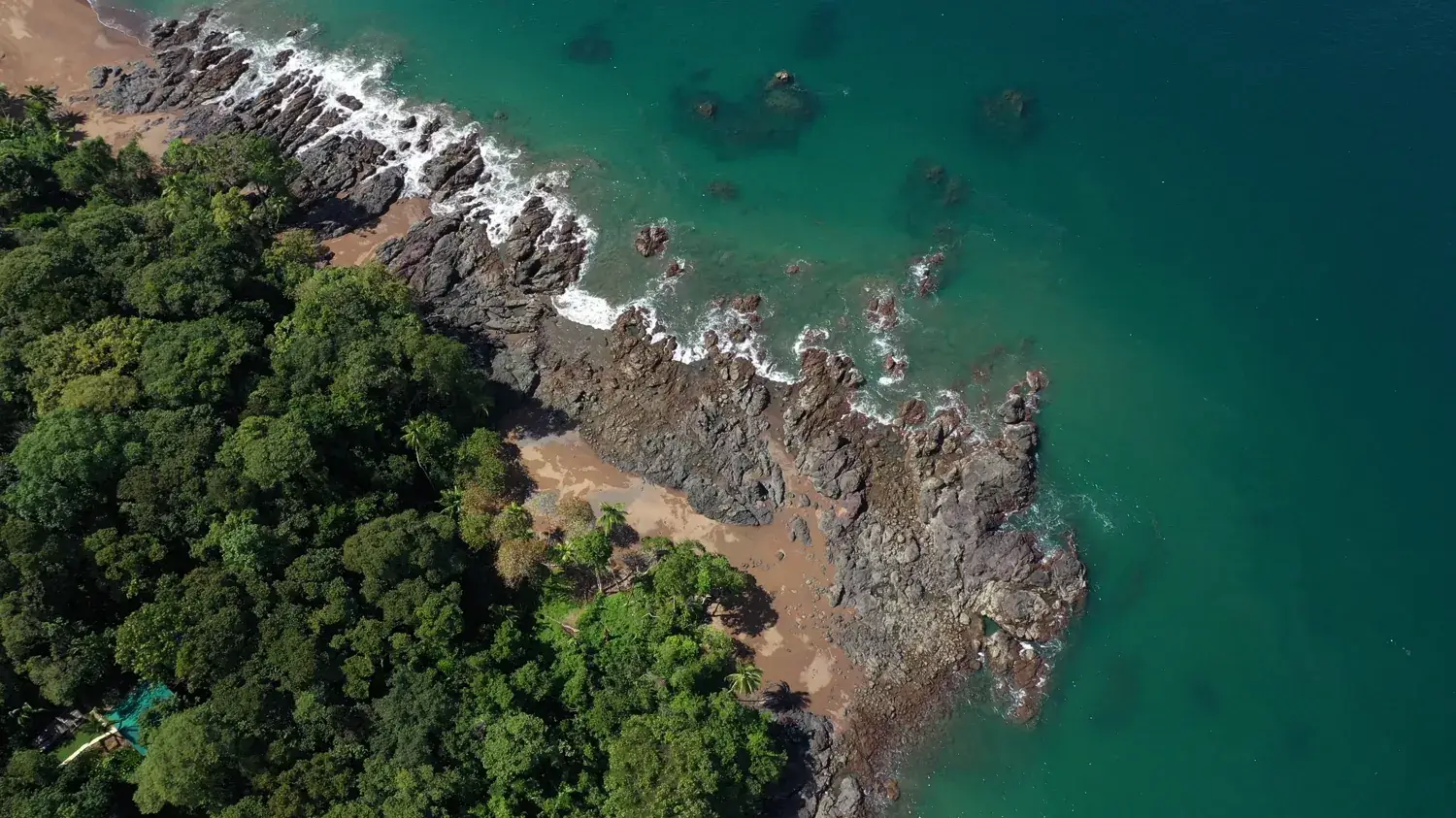
The figures speak for themselves. Costa Rica covers only 0.03% of the planet's surface but is home to nearly 5% of the world's biodiversity — over 500,000 recorded species. This density of life is no accident: it's the result of tenacious public policy.
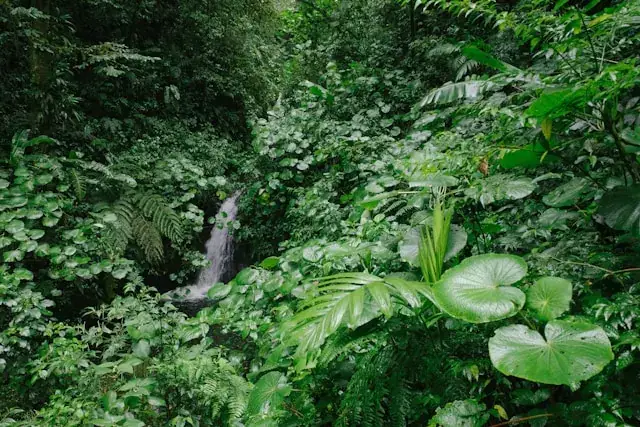
In the 1980s, forest cover had fallen to just over 20% of the territory, ravaged by extensive cattle ranching. Today, it exceeds 59 %. This recovery rests on a pioneering tool: the Payment for Environmental Services (PSA) program, launched in 1996, which pays landowners who conserve or replant forest. More than 500 million dollars have been paid out since its creation.
The result: about 26% of the territory is now protected, across some 190 protected areas — national parks, reserves, refuges. On the energy side, the country generates its electricity at about 98 % from renewable sources (hydro, geothermal, wind) most years. For the visitor, that means one simple thing: the nature you've come to see is, on the whole, genuinely preserved. It's up to you not to be part of the problem.
The CST label, cornerstone of responsible tourism in Costa Rica
Greenwashing exists here as elsewhere. Fortunately, Costa Rica has equipped itself with a reliable tool: the Certification for Sustainable Tourism (CST), created in 1997 by the Costa Rican Tourism Institute (ICT) and now recognized by the Global Sustainable Tourism Council (GSTC). It assesses hotels, transporters, and agencies on their environmental management, social and cultural impact, and business practices. More than 400 organizations hold it.
A second useful marker: the Bandera Azul Ecologicaflag, which distinguishes beaches, communities, and sites committed to water quality and cleanliness. At Toucan Discovery, this commitment isn't just talk: our agency is officially recognized by Costa Rica's Ministry of Tourism. Without a label, rely on concrete questions: where does the water come from, who is employed, what goes back to the neighboring communities?
Choosing your accommodation, guide, and transport well
This is where most of your footprint plays out. Three simple principles:
- Sleep small and local. A family-run lodge or a CST-certified eco-lodge supports a family and limits impact, where a big all-inclusive resort concentrates water, energy, and profits.
- Hire local guides. A good Costa Rican naturalist guide sees ten times more wildlife than you, passes on real knowledge, and keeps your money circulating in the local economy. It is, by far, the best investment of a trip here.
- Streamline your drives. Costa Rica is small but slow. Group your stops, avoid pointless back-and-forths. If you rent a car — allow about 70 euros per day, basic insurance included — share it and favor a loop itinerary. Our guide to car rental in Costa Rica details the right reflexes.
Wildlife: the golden rules to do no harm
This is where travelers, even well-intentioned ones, do the most damage. Watching wild animals is a privilege, not a right. Four rules I remind every client of:
- Never touch. A sloth that is picked up and stressed can die from it. Keep your distance and watch through binoculars.
- Never feed. Giving a banana to a monkey or a raccoon makes it dependent, aggressive, and sick. The signs remind you everywhere: respect them.
- No selfies holding an animal. Behind those photos there are almost always captured or mistreated animals.
- Choose ethical sanctuaries, which heal and release, rather than disguised zoos. A true refuge doesn't offer cuddles with its residents.
To go further, our article on wildlife watching in Costa Rica explains where and how to see sloths, monkeys, quetzals, and whales in good conditions, and the national parks to favor.
Supporting local communities
Responsible tourism isn't just about trees and animals: it's also a human matter. Costa Rica has developed a solid network of community-based rural tourism, where families and cooperatives welcome travelers, show them around their coffee or cacao fincas, and share their daily life.
Concretely: eat at the sodas (those small neighborhood restaurants), buy coffee and crafts directly from producers, stay with locals when possible. It's often cheaper, always fairer, and that's where the real Pure lifeis lived. Our secret experiences recommended by locals go exactly in that direction. If you'd rather build your stay yourself while keeping this philosophy, you can also build your trip directly on Toucan Dynamics, choosing committed providers.
The right reflex vs the one to avoid
| Situation | The responsible reflex | To avoid |
|---|---|---|
| Accommodation | CST-certified family eco-lodge | Big isolated all-inclusive resort |
| Fauna | Watching through binoculars with a guide | Touching, feeding, hand-held selfies |
| Meal | Local soda, seasonal produce | Imported chains |
| Souvenirs | Crafts and coffee bought from producers | Items made of coral, turtle shell, rare woods |
| Transportation | Loop itinerary, grouped drives | Pointless back-and-forths and domestic flights |
One last point on climate: the best time to visit also depends on crowds. Traveling in the green season eases the pressure on the busiest sites — a detail our guide When to go to Costa Rica explores in detail.
Frequently asked questions
Is Costa Rica really a responsible tourism country?
Largely, yes. Nearly 26% of the territory is protected (about 190 protected areas), forest cover has climbed back from barely over 20% in the 1980s to nearly 59% today, and electricity is about 98% renewable most years. But the country remains a tourist destination: responsibility mostly comes down to the traveler’s concrete choices on the ground.
How do you recognize a truly committed accommodation or agency?
Look for the CST label (Certification for Sustainable Tourism), created in 1997 by the Costa Rican Tourism Institute and recognized by the GSTC. More than 400 businesses hold it. The Bandera Azul Ecológica flag also rewards committed beaches and communities. Without a label, ask precise questions: water management, local employment, community partnerships.
Can you get close to wildlife without harming it?
Yes, by keeping your distance. You never touch a sloth, you don’t feed monkeys or raccoons, and you don’t take selfies holding a wild animal. Favor watching through binoculars with a local guide, and sanctuaries that heal and release rather than those that exhibit.
Does traveling responsibly cost more?
Not necessarily. Eating at sodas (small local restaurants), sleeping in family-run lodges, buying coffee and crafts directly from producers: these choices support the local economy and are often cheaper than all-inclusive circuits. Car rental, for example, comes to about 70 euros per day, basic insurance included.
Build your responsible trip with us
Responsible tourism in Costa Rica isn't about deprivation: it's traveling better, closer to the real thing, leaving the country as beautiful as you found it. That's exactly what we do from the field, as a recognized local agency.
Want a trip with meaning? Tell us about your project: we reply within 24h with a tailor-made itinerary, committed providers, and frank advice. Request your free quote — or build your trip directly on Toucan Dynamics.
Also read: Costa Rican coffee, its history, its regions, and where to taste it.
Plan your trip to Central America.
A Toucan Discovery advisor helps you transform these ideas into a tailor-made itinerary — Costa Rica, Panama, Nicaragua. Real-time availability, instant quote.
Plan my trip French
 English
 Spanish
 Italian
 German
 Chinese