
If there's one place that sums up Costa Rica's naturalist soul, it's Monteverde. Perched at nearly 1,400 meters altitude, this cloud forest is nothing like a classic tropical jungle: here the air is cool, the trees sag under mosses and orchids, and a stubborn fog climbs up from the Pacific slopes. In fifteen years sending travelers all over the country, I keep telling my clients: Monteverde must be earned a little (the road puts some people off), but few leave disappointed. Here's how to prepare your visit well.
Where Monteverde is and how to get there
Monteverde sits in the Tilarán cordillera, Puntarenas province, in the country's northwest. The main village is called Santa Elena; “Monteverde” refers both to the area and to the famous reserve. From San José, allow about 136 km and 3.5 to 4 hours by road. Route 606 was paved in 2019, but the last 20 kilometers remain dirt, sometimes washboard. A 4×4 isn't essential in the dry season, but it makes the drive markedly more comfortable, especially from May to November.
Most travelers arrive by rental car (from €70/day, basic insurance included): it's the most flexible formula to chain Arenal, Monteverde, and the Pacific. There are also tourist shuttles from La Fortuna, including the famous “jeep-boat-jeep” link crossing Lake Arenal in about 3 hours. For everything on the vehicle and insurance, read our guide to car rental in Costa Rica.
The Monteverde reserves: which to choose?
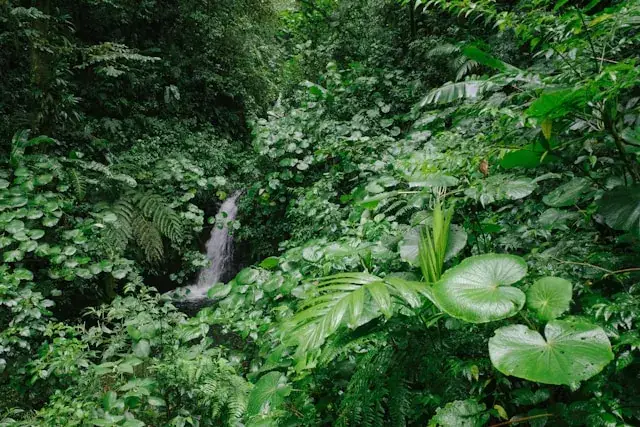
The mist is precisely what makes the place's magic — and its biodiversity. Three main reserves share the area.
The Monteverde reserve (Bosque Nuboso)
It's the best known, created in 1972 and managed by the Tropical Science Center. It protects about 10,500 hectares of forest, more than 90% primary. Entrance: about US$25 per adult (~€23), US$12 for students and children, open every day from 7am to 4pm. The main trails are well maintained; you can walk alone or book a naturalist guide (strongly recommended if you want to spot the quetzal).
The Santa Elena reserve
Smaller, wilder, and managed by the local community, it's less crowded. Entrance around US$21 per foreign adult. Its high trails offer, on a clear day, views all the way to Arenal volcano. A good choice if you're fleeing the crowds.
Curi-Cancha and the Bosque Eterno de los Niños
The private Curi-Cancha reserve is famed as one of the best spots to watch the resplendent quetzal : more than 200 bird species have been recorded there. The Bosque Eterno de los Niños (“children's eternal forest”), for its part, is the country's largest private reserve, born from an international educational project. To understand how these protected areas work, see our article on the most beautiful national parks in Costa Rica.
What to see in Monteverde: quetzals, hummingbirds, and company
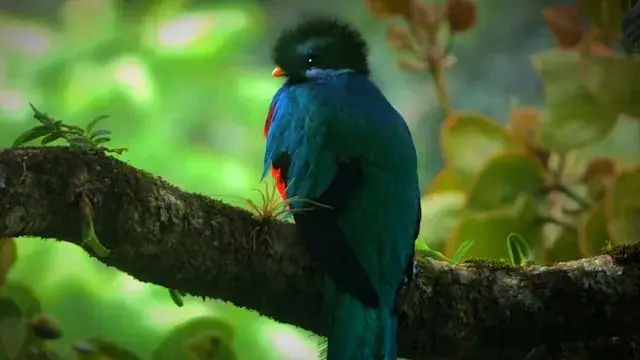
The area shelters a dizzying biodiversity: more than 2,500 plant species (including hundreds of orchids), a hundred or so mammal species, and more than 400 bird species. The star is the Resplendent quetzal, an emerald-green bird with a long tail, sacred to the Maya. It's seen mostly from February to July, the nesting period, early in the morning (6-10am) and with a guide.
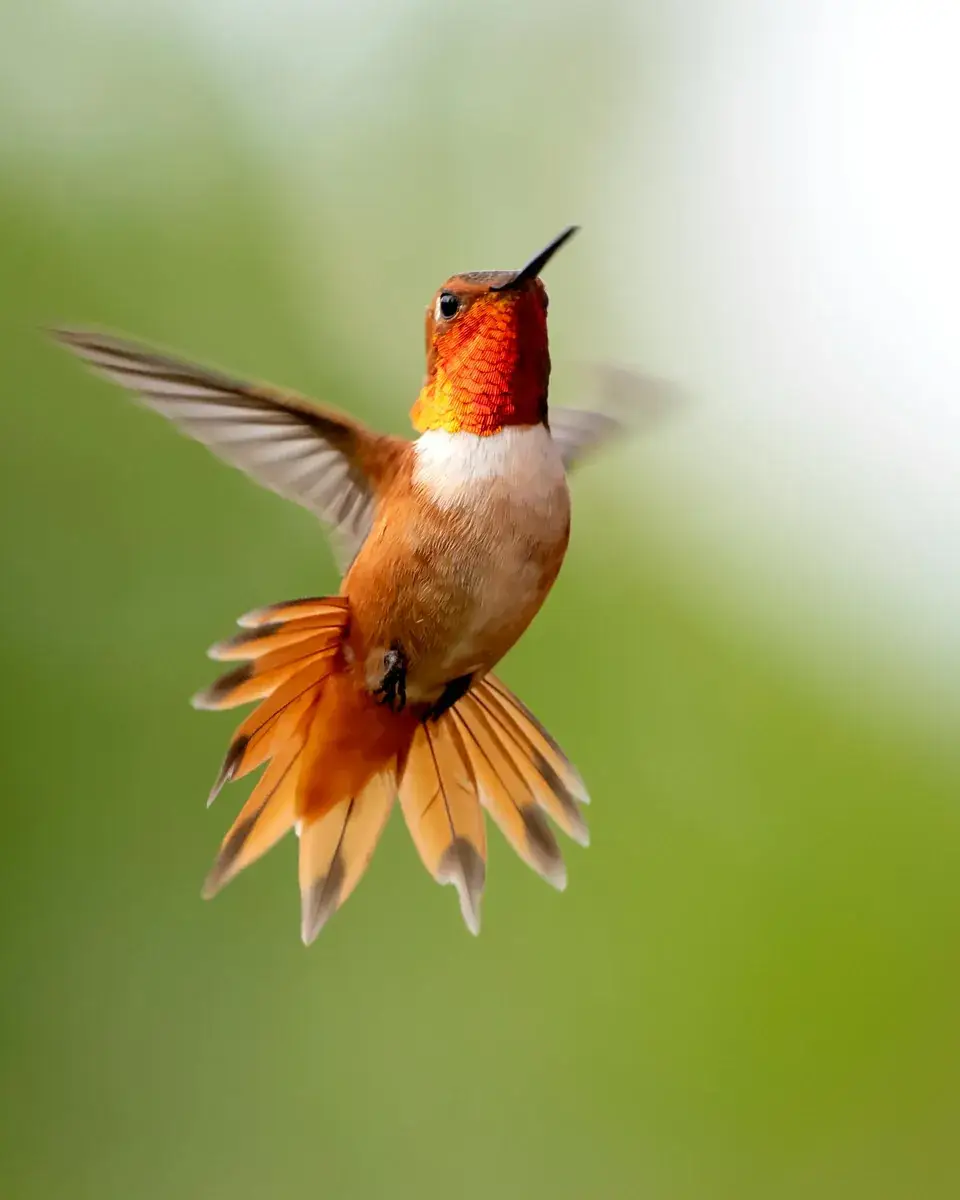
Other winged stars: the three-wattled bellbird (whose metallic call rings through the forest), the keel-billed toucan, and a swarm of hummingbirds watched up close at the feeders of the hummingbird gallery, at the reserve's entrance. Mammal-wise, with a bit of luck: coatis, howler monkeys and capuchins, sloths. To go further on the country's wildlife, read our guide wildlife watching in Costa Rica.
The star activities: hanging bridges, ziplines, and night outings
Monteverde isn't limited to contemplative hiking. It's also the capital of the canopy.
- Hanging bridges : the gentlest way to explore the treetops. Selvatura or Sky Adventures parks, with bridges up to 170 m long, allow ~US$30-45.
- Ziplines (canopy) : this is where the concept was born in Costa Rica. The Selvatura circuit (13 cables including a one-kilometer one, plus a “Tarzan swing”) costs about US$80 per adult.
- Guided night outing : the forest changes completely at nightfall. Frogs, snakes, tarantulas, kinkajous… Allow ~US$28-45 depending on the operator.
- Coffee farms, the cheese factory, butterfly gardens, and the “ranario” (frogs) : enough to fill a rainy half-day.
Price summary (indicative, 2026)
| Activity | Indicative price (adult) | Duration |
|---|---|---|
| Monteverde reserve (entrance) | ~US$25 | 2-4h |
| Santa Elena reserve (entrance) | ~US$21 | 2-3h |
| Hanging bridges | ~US$30-45 | 2-3h |
| Ziplines / canopy | ~US$80 | 2-3h |
| Guided night outing | ~US$28-45 | 2h |
When to come to Monteverde?
The dry season (December to April) offers the clearest skies and the easiest road. But beware: Monteverde remains a cloud forest — a bit of mist and drizzle are part of the experience year-round. The green season (May to November) is wetter but very verdant and less crowded. For the quetzal, aim for February to June. Monteverde is often paired with Arenal: read our Arenal and La Fortuna guide and our article When to go to Costa Rica to set your dates.
How long to stay and how to fit it into your trip
Two nights on site are a good minimum: one day for a reserve + a canopy activity, one for a night outing or the coffee farms. Monteverde fits naturally into a northern circuit, generally between San José / Arenal and the Pacific coast (Guanacaste or Manuel Antonio). You'll find this logic in our itineraries Costa Rica 15 days and Costa Rica 10 days. Finally, the area is a model of community ecotourism: see our article on responsible tourism in Costa Rica.
Where to stay in Monteverde
Accommodation is concentrated around Santa Elena and along the road climbing to the reserve. There's everything: friendly hostels for small budgets, family-run charming hotels, and a few lodges perched deep in the forest with views over the Gulf of Nicoya. My field tip: favor lodging on the reserve side rather than in central Santa Elena if you plan to hit the trails at daybreak — you'll save precious minutes in the morning, when the wildlife is most active. Book early in high season (December-April), the best addresses go fast. For an even more nature-immersed stay, some lodges offer private trails and hummingbird feeders right on their grounds.
Frequently asked questions about Monteverde
Do you need a 4×4 to get to Monteverde?
It's not mandatory in the dry season, but strongly advised: the last 20 kilometers are unpaved and become difficult after rain. A high-clearance vehicle makes the drive much more relaxed.
Will you really see a quetzal?
Nothing is guaranteed with wild animals, but your chances are real from February to June, early in the morning and with a naturalist guide. Curi-Cancha and the Monteverde reserve are the best spots.
Monteverde or Arenal: which to choose?
The two are complementary and often visited together. Arenal is the volcano and hot springs; Monteverde, the cloud forest and the canopy. If you have time, do both via the jeep-boat-jeep link.
How much does reserve entrance cost?
About US$25 per adult for the Monteverde reserve, US$12 for children and students. The Santa Elena reserve is a bit cheaper (~US$21).
Want Monteverde in your trip?
At Toucan Discovery, an inbound agency based in Costa Rica, we build your tailor-made tour — tested accommodations, naturalist guides, road logistics. Request your quote: reply within 24h.
Prefer to build it yourself? Create and book your trip directly on Toucan Dynamics, or contact our team for full support.
Plan your trip to Central America.
A Toucan Discovery advisor helps you transform these ideas into a tailor-made itinerary — Costa Rica, Panama, Nicaragua. Real-time availability, instant quote.
Plan my trip French
 English
 Spanish
 Italian
 German
 Chinese