
In short: The best time to visit Panama is the dry season, from mid-December to mid-April, with peak sun in January, February, and March. The green season (May to November) remains very pleasant: bright mornings, late-afternoon showers. For humpback whales on the Pacific, aim for July to October. On the Caribbean side (Bocas del Toro), September-October and February-March are the driest.
“When should you visit Panama?” It's the first question travelers ask me, and my answer fits in one sentence: almost year-round, as long as you choose your region by season. Panama is a country with two faces — Pacific and Caribbean — that don't live the weather at the same rhythm. In fifteen years organizing trips in Central America, I've learned that here the “rainy season” is nothing to shy away from. Here, month by month, is what I really advise.
Panama's two seasons
Panama has two seasons, defined by rain more than by temperature (hot and stable year-round, around 28-32 °C on the coasts):
- The dry season (“verano”), from mid-December to mid-April : the fine weather, especially on the Pacific slope and in Panama City. It's the most sought-after period, ideal for combining city, canal, islands, and mountains.
- The green season, from May to November : often sunny mornings, then tropical showers at the end of the day. Nature is dazzling, prices gentler, and the sites less crowded.
As in neighboring Costa Rica, the green season doesn't mean a ruined vacation: well organized, you make the most of the morning and ease off when the rain arrives.
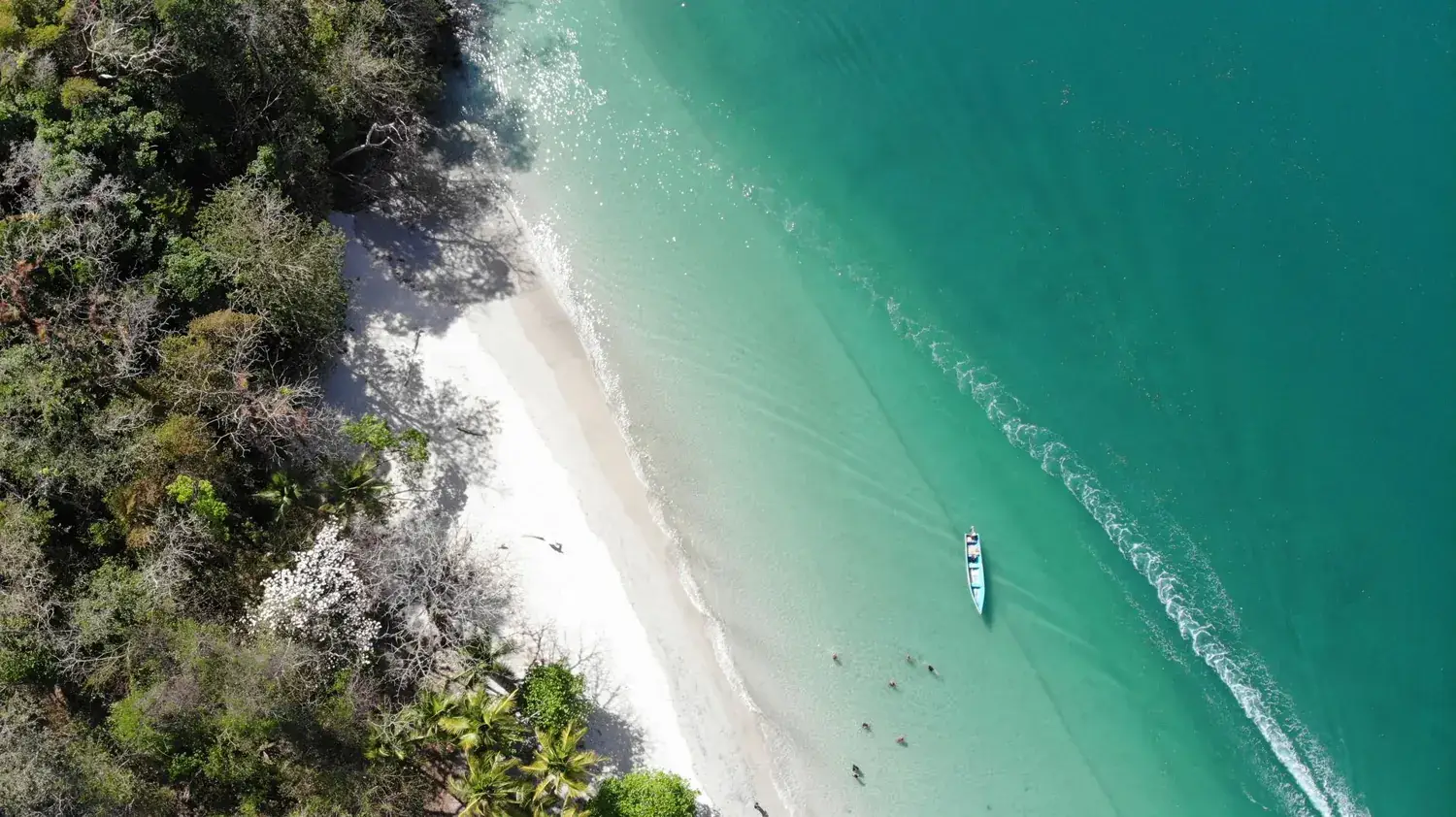
Panama month by month
| Period | Dominant weather | Best for |
|---|---|---|
| December – April | Dry season, big sun (Pacific) | Panama City, canal, San Blas, Boquete |
| May – June | Start of the green season, short showers | Verdant nature, gentle rates |
| July – October | Green season, heavier rains | Humpback whales (Pacific), Bocas |
| November | End of the green season | Lush landscapes, calm shoulder season |
When to see humpback whales?
It's one of the country's great nature events. Humpback whales travel up into the warm waters of the Pacific Panamanian to breed: the observation season runs from July to October, with a peak often in August-September. The Gulf of Chiriquí, Coiba Island, the Pearl Islands, or Panama Bay offer fine outings. If this spectacle makes you dream, read our dedicated article onwhale watching in Panama.
Pacific or Caribbean: two weather patterns to know
It's the point many guidebooks forget. The two coasts aren't dry at the same time:
- On the Pacific side (Panama City, Azuero peninsula, Pearl Islands): drier from December to April. September-October are the rainiest months there.
- On the Caribbean side (Bocas del Toro, Portobelo, San Blas): the Caribbean keeps humidity year-round, but offers fine drier windows in September-October and in February-March.
Concretely: for a Caribbean beach stay in the middle of the green season, Bocas del Toro can be kinder than Panama City on the same date. That's the whole point of having your itinerary built by a local agency that knows these nuances.
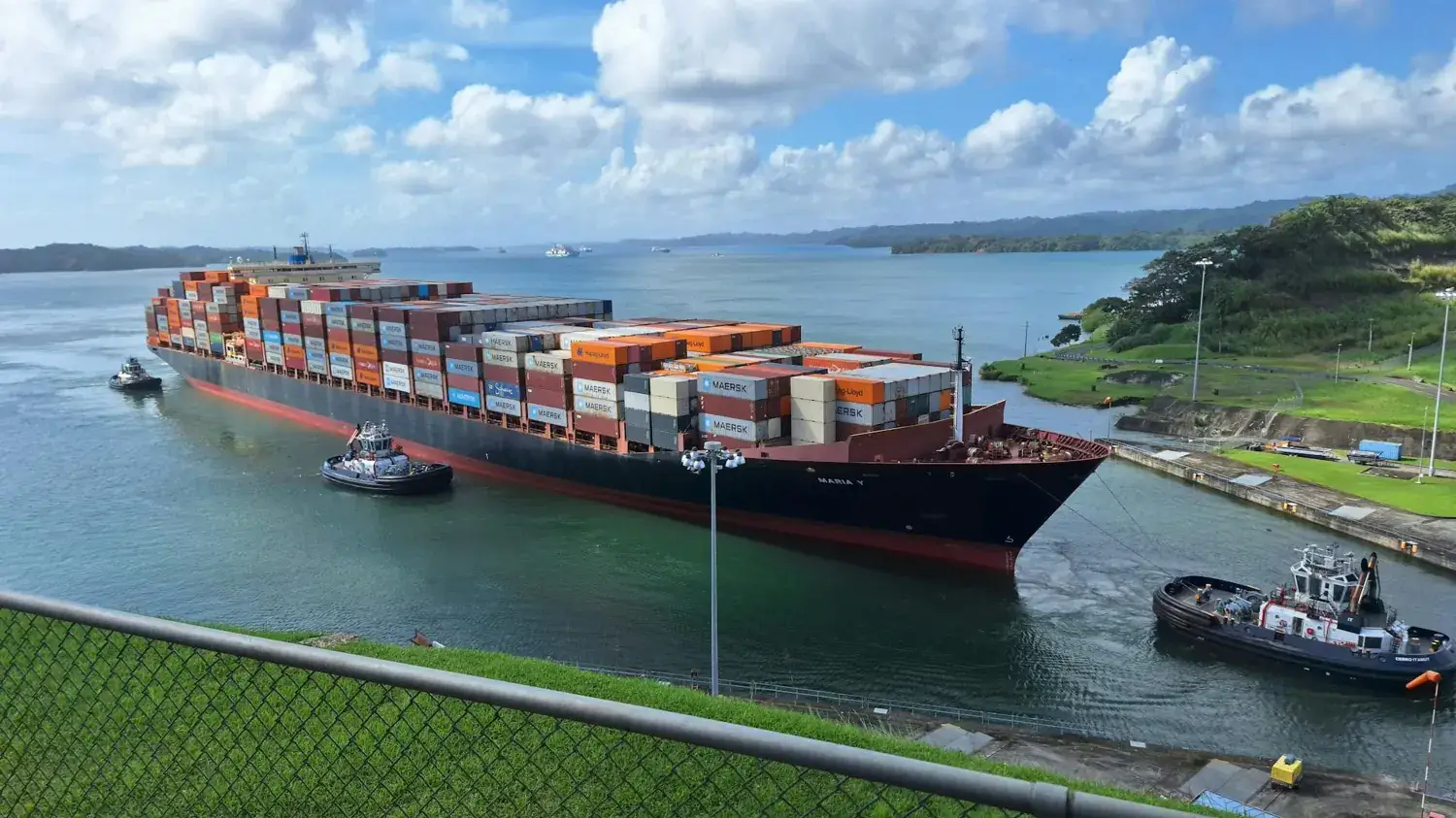
The right time, region by region
Rather than hunting for THE perfect date, the best approach is to match your dates to the region that makes you dream:
| Region | Best time | Good to know |
|---|---|---|
| Panama City & canal | December – April | Can be visited year-round; September-October rainier |
| San Blas (Guna Yala) | December – April | Calmer sea for boat crossings |
| Boquete & highlands | Year-round | Cool in the evening; dry mostly January to March |
| Bocas del Toro (Caribbean) | Sept-Oct & Feb-Mar | Caribbean calendar, different from the Pacific |
| Pacific / Azuero | December – April | Carnival in February; whales from July to October |
In short: for a complete two-ocean tour, the dry season (December-April) remains the safest choice. But a targeted stay can succeed very well outside this window, provided you choose your region well.
Tourist high and low season
The high season follows the fine weather: December to April, with peaks at Christmas, New Year, and Holy Week (Semana Santa). Book your hotels and flights early for these dates. Conversely, May, June, and November are excellent “smart” months: superb nature, reduced crowds, and better rates. Since Panama uses the US dollar as its currency, you easily control your budget once there — we detail it all in our guide Panama travel budget.
Festivals and events: Panama through the seasons
Choosing your date also means choosing your atmosphere. A few events are worth the detour:
- Carnival (February or early March) : one of the liveliest in Latin America, notably in Las Tablas, on the Azuero peninsula. Four days of music, water, and murgas. Atmosphere guaranteed, but book early: the whole country is celebrating.
- Holy Week (March-April) : processions and traditions across the country; many Panamanians travel, so beaches and hotels fill up.
- Patron saint festivals and whale season (July-October) : on the Pacific coast, a chance to combine local culture and boat outings.
- National holidays (November) : the “month of the homeland” strings together parades and brass-band music, especially in Panama City.
If you're fleeing crowds, avoid Christmas, New Year, Carnival, and Holy Week, when prices climb and sites fill up. Conversely, those periods offer an incomparable festive immersion if that's what you're after.
What to pack depending on the season?
Whatever the period, pack light clothes, a swimsuit, and good sunscreen. In the green season, add a light rain jacket and quick-drying shoes. For the Boquete highlands, slip in a small fleece: the evenings are cool there year-round. Finally, an effective mosquito repellent is essential, especially in the forest and near the coasts.
How long to plan?
Allow at least a week for Panama City, the canal, and one escape (San Blas or Boquete), and ideally two weeks to link the two oceans without rushing. To picture it, follow our 15-day Panama itinerary and our selection of things to do in Panama. Torn between two countries? Our comparison Costa Rica or Panama will help you decide.
Frequently Asked Questions
What is the best month to visit Panama?
February and March, in the middle of the dry season: big sun on the Pacific, calm sea, and the ideal atmosphere to combine city, canal, islands, and mountains.
Can you visit Panama during the rainy season?
Yes, no problem. From May to November, mornings are often beautiful and showers fall mostly in the late afternoon. Gentler prices and calmer sites as a bonus.
When to see whales in Panama?
From July to October on the Pacific coast (Gulf of Chiriquí, Coiba, Pearl Islands), with a peak in August-September.
Is it always hot in Panama?
Yes, the climate is tropical year-round (28-32 °C on the coasts). Only the highlands, like Boquete (1,200 m), offer pleasant coolness.
Want to visit Panama at just the right time?
At Toucan Discovery, an inbound agency specializing in Central America, we time your trip to the best season, region by region. Request your quote: reply within 24 hours. Prefer to build it yourself? Create your trip directly on Toucan Dynamics, or Contact us to talk it over. To pack your bags, also see our practical guide to preparing your trip to Panama.
Plan your trip to Central America.
A Toucan Discovery advisor helps you transform these ideas into a tailor-made itinerary — Costa Rica, Panama, Nicaragua. Real-time availability, instant quote.
Plan my trip French
 English
 Spanish
 Italian
 German
 Chinese