Panama · Colón · Caribbean Coast

Portobelloelo

«Le Beau Port, christened by Columbus in 1502» - where jungle-swallowed fortresses tell the story of the golden age of Spanish galleons.

1502 discovered by Columbus
1980 UNESCO listed
3 Major fortresses
Discover
About Portobelo

Port Royal of the galleons, Caribbean jewel, forgotten treasure Panama

Christened Puerto Bello (Beautiful Harbor) by Christopher Columbus himself during his fourth voyage in 1502, For two centuries, Portobelo was the main Spanish port for the shipment of silver from Peru to Seville. The legendary Portobelo Fairs and attracted galleons, merchants, and pirates—up to the spectacular plundering of Henry Morgan in 1668 and the capture by the admiral Edward Vernon in 1739 who inspired the name Portobello Road in London.

Today, Portobelo is a sleepy village of 4,000 inhabitants where colonial fortresses Saint Jerome, San Fernando and San Cristobal — classified UNESCO in 1980 are swallowed by ficus and bougainvillea. The culture Congo, descendants of African Maroon slaves and registered with the UNESCO intangible heritage in 2018, and it still lives on through dance, carved masks, and murals.

Our on-site tip: 2 to 3 nights are enough to explore Costa Arriba — Portobelo, Isla Grande, Isla Linton — and combine UNESCO history, snorkeling on Caribbean reefs, and galleon wreck diving.

Spanish colonial fortress overgrown with tropical vegetation
Colón Province, Panama · Caribbean Costa Arriba
Landmarks

Geography & climate

The essentials to know before you go — location, access, humid tropical climate, and the best time to enjoy Panama's Caribbean coast.

Map

Location & Access

  • ·LocalizationColón Province, northern Caribbean coast of Panama, 99 km northeast of Panama City
  • ·AirportTocumen International (PTY) Panama City — 2h car transfer via the Transístmica highway
  • ·Distance43 km from the city of Colón · 99 km from Panama City · private transfer recommended
  • ·Key ExcursionsIsla Grande 30 min · Isla Linton 20 min · Nombre de Dios 45 min · Fort San Lorenzo 1h30
  • ·To knowColón (large neighboring city) caution in the evening — transit only, do not linger alone
☀️

Climate & Season

  • ·Temperature27°C on average year-round · stable humid tropical heat
  • ·Dry seasonJanuary → April · short window, clearer skies, calmer seas
  • ·Rainy seasonMay → December · frequent and intense showers, one of the rainiest coasts in the Caribbean
  • ·Black ChristOctober 21 · major pilgrimage, tens of thousands of faithful, hotels saturated
  • ·Sweet spotFebruary-March · best visibility for diving, calm seas, clear skies for photographing the fortresses

Month by month — when to go?

Hover over the months to identify the best windows — Portobelo is one of the wettest coasts in the Caribbean.

January
☀️
February
☀️
March
☀️
avr
☀️
May
Rain
June
Rain
July
Rain
August
Rain
September
Rain
October
🎉
November
Rain
December
☀️
Sweet spot Toucan Peak season / holiday Heavy rainy season
Not to be missed

The 5 experiences signature

What we systematically recommend to our travelers on Panama's Caribbean Costa Arriba. Under each experience, the on-the-ground secret that changes everything.

1 Spanish colonial cannon points to Portobelo Bay
UNESCO World Heritage

Colonial Fortresses San Jerónimo, San Fernando, San Cristóbal

The Spanish defensive triangle that protected Peru's silver during the Portobelo Fairs. San Jerónimo Castle in the heart of the village, San Fernando on the other side of the bay (boat access), San Cristobal overhead. Cannons, moats, walls swallowed by the jungle — UNESCO 1980 jointly with Fort San Lorenzo.

Secret Pro: Start at San Jerónimo (center, free), then take a morning boat to San Fernando for the low-angle light and total isolation.
Tip: guide local francophone via Toucan Dynamics — Without historical context, the ruins lose 80% of their power.
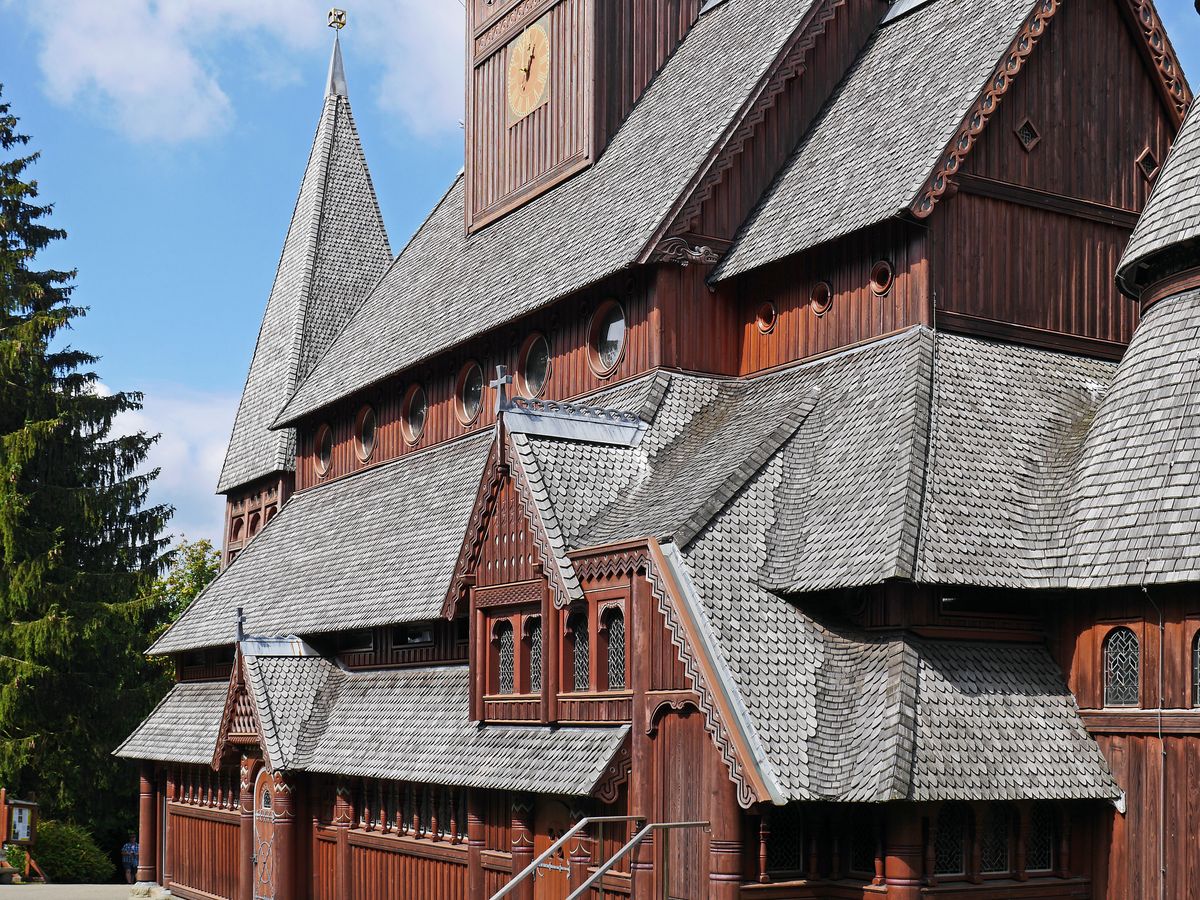
2 Baroque colonial church in Panama with a religious statue
Popular devotion

Cristo Negro — Pilgrimage on October 21

The black statue of the Nazareno of Portobelo, dating from 1597, attracts every October 21st Tens of thousands of pilgrims from all over Panama, often dressed in purple robes, some covering the last few kilometers on their knees. One of the most intense Catholic pilgrimages in Latin America, with palpable fervor and a huge crowd.

VIP Option Hotel reservation 4-6 months before October 21st, private transfer avoids the 4-5 hour traffic jams on the road to Colón.
Tip: Outside of October 21st, the church is peaceful and the statue is serenely accessible – superb for understanding Panamanian Afro-Caribbean culture.
3 Snorkel mask, tuba, in clear turquoise water
A Little-Known Marine Paradise

Snorkeling at Isla Grande & Isla Linton

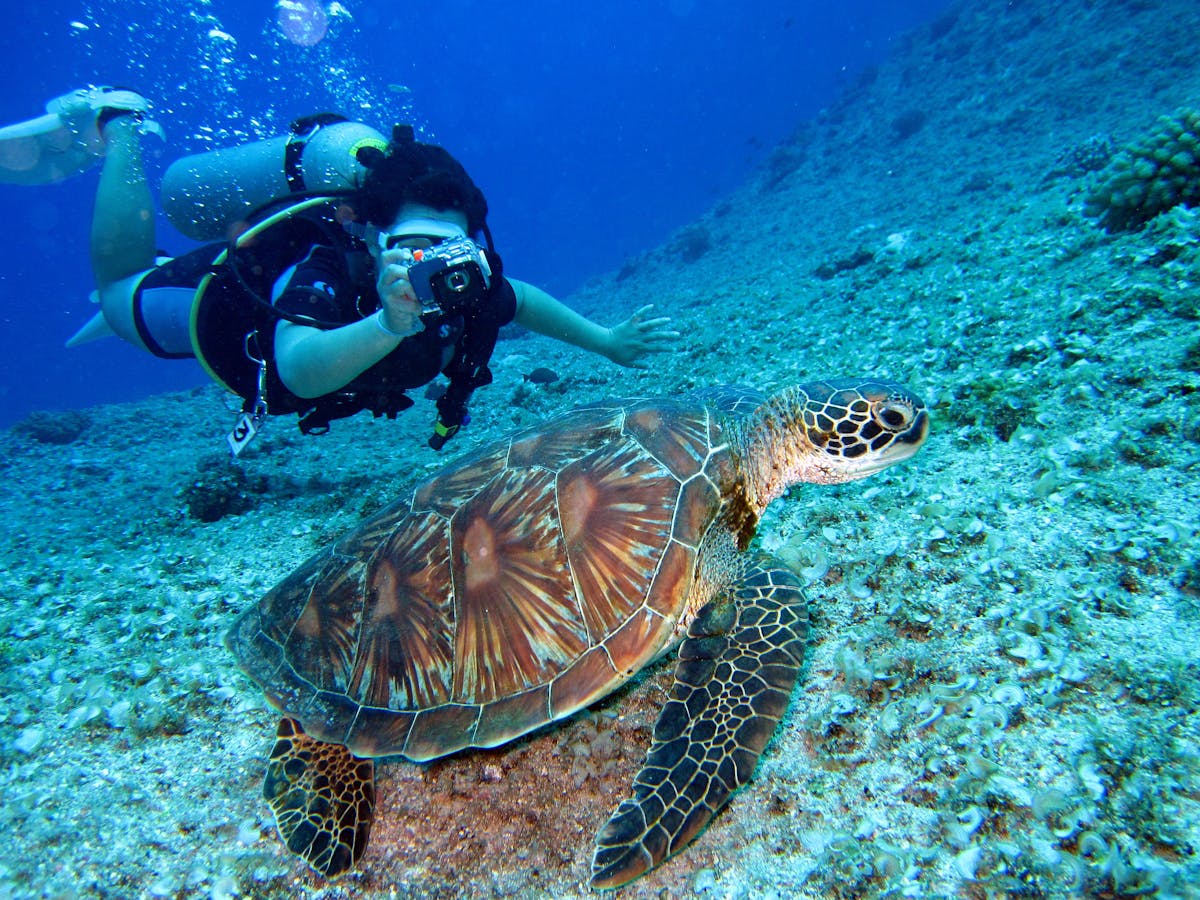
The Panamanian Caribbean 30 minutes by boat from the village. Big Island and Isla Linton offering preserved coral reefs, deserted white sand beaches, turquoise water — without the crowds of San Blas. Full days of snorkeling observing rays, parrotfish, green turtles. The best-kept secret in the Central Caribbean.

Secret Pro: Isla Linton has a population of introduced capuchin monkeys—a unique nature walk to complement snorkeling.
VIP Option Private day boat from La Guayra (departure port), picnic on a deserted island, guided snorkeling.
4 Underwater diver exploring a colonial shipwreck
Archaeological and Marine Adventure

Spanish Galleon Wreck Diving

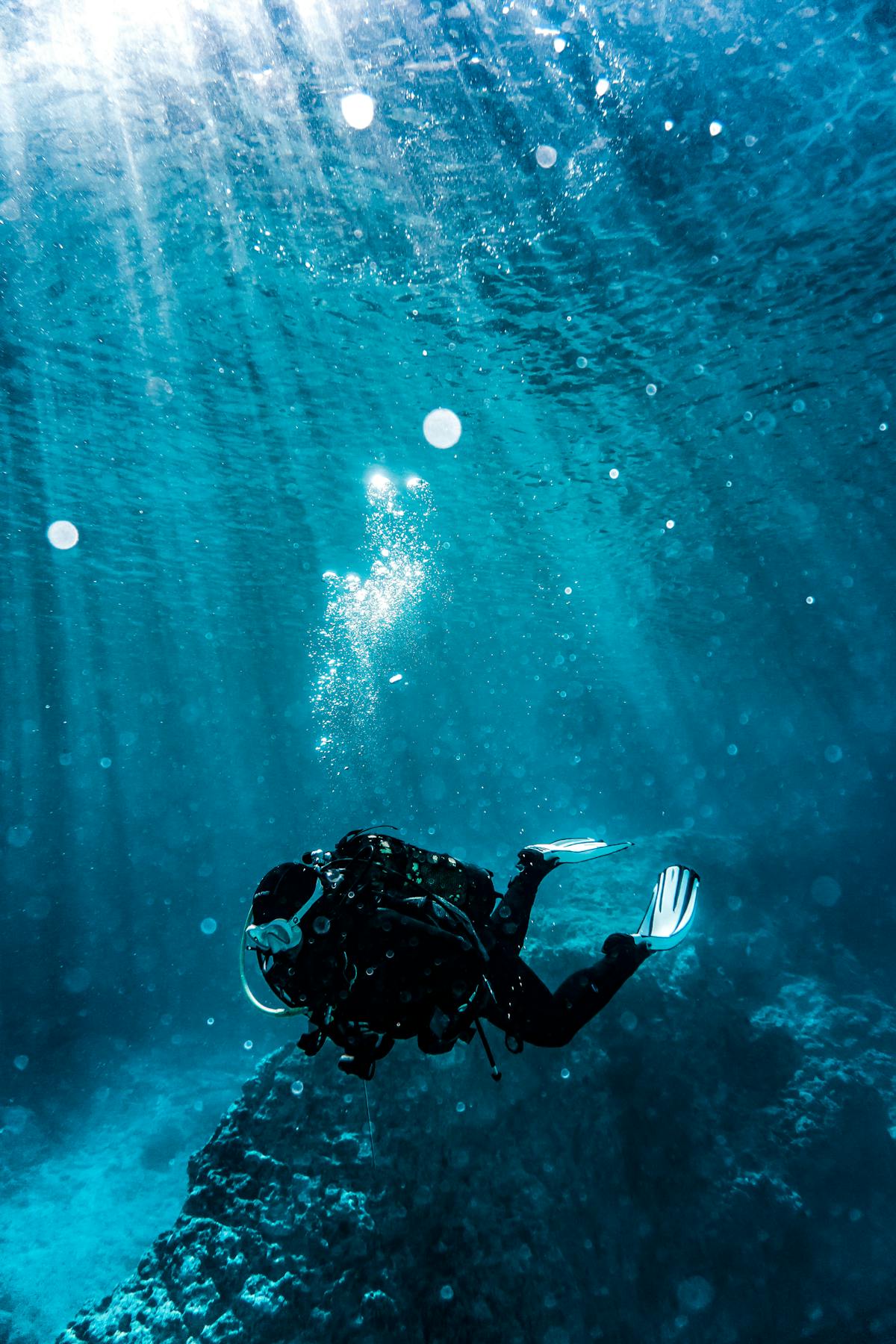
The Bahia de Las Minas and the waters around Portobelo hold dozens of galleon wrecks sunk between the 16th and 18th centuries, laden with silver from Peru. Several accessible dive sites (Ngäbe, Salmedina, La Buchaca) reveal cannons, anchors, and ceramics. Technical dives recommended for divers level 2 minimum — an unforgettable experience.

Secret Pro: Scubaportobelo and Panama Divers centers offer excursions with historical briefings — not just diving, but a dive into history.
Tip: Optimal visibility February-April (20-25 m). Off-season, visibility drops to 8-12 m but wrecks remain accessible.
5 Traditional Afro-Caribbean mask, carved and painted in color
Afro-Panamanian Culture

Culture of Congo — dance, masks, murals

Registered for UNESCO intangible heritage in 2018, Congolese culture is the living expression of the descendants of maroon slaves from Africa who escaped in the 17th century. Drums, dances between men and women in colorful costumes, devils Terrifying sculpted masks, murals on village facades. Toucan Discovery organizes meetings with Congo families and local artists.

Secret Pro: Cristo Negro Festival in October and Carnival (February-March) = peak performance times for Congo. Outside of festivals, private sessions by appointment.
VIP Option Diablos mask sculpture workshop with an artisan in Congo - immersive experience, 3 hours, take your piece home.
Coastal Geography

Costa Arriba & Sons key zones

La Costa Arriba stretches for 60 km of beaches, coves, and Afro-Caribbean villages—between Portobelo and Miramar. Understanding the hubs allows you to organize a loop or a relaxed stay.

Portobelo village & fortresses

For: history · culture · UNESCO

  • · San Jerónimo Castle In the heart of the village, open to the public, with cannons and an intact wall facing the bay
  • · Church of Saint Philip houses the statue of the Black Christ from 1597, permanent devotion
  • · Santiago de la Gloria Castle partially collapsed ruins, panorama of the bay
  • · Portobelo Customs House Former Royal Spanish Customs House, Congo Culture Museum
  • · House of Culture Congo murals, artisan workshops, exhibitions

Costa Arriba: Islands & Villages

For: beach · snorkel · nature

  • · Big Island 30 min by boat, beaches, restaurants, authentic Afro-Caribbean atmosphere
  • · Isla Linton 20 min by boat, preserved reefs, capuchin monkeys, exceptional snorkeling
  • · Garrote small fishing village, departure point for boats, quiet beach
  • · Name of God First Spanish treasure boarding site before Portobelo, black sand beach
  • · Cuango / Palenque Authentic Afro-Panamanian villages, little tourism, total immersion
Bestiary

Nature that you attend

Portobelo National Park covers 35,000 hectares of humid tropical jungle and coral reefs — a major biological corridor between the Caribbean coast and the Panama Canal.

🦅
Brown Pelican
Brown pelican
All year · coast
🐒
White-faced capuchin
All Year · Isla Linton
🐢
Green turtle
Green sea turtle
July → October · beaches
🐠
Blue parrotfish
Blue parrotfish
All year · Isla Grande reefs
🐟
Atlantic stingray
American horse-ear
All year · sandy berries
🪸
Brain coral
Knotty elephant ear coral
All year round · 8-20 m depth
🦀
Red land crab
Gecarcinus quadratus
Rainy season · beaches forests
🦅
Magnificent frigate
Magnificent Frigatebird
All year · Portobelo Bay
Gastronomy

Flavors of Caribbean Panama

The cuisine of the Costa Arriba is an Afro-Caribbean-Spanish melting pot: fresh fish and seafood, coconut milk, plantains, root vegetables, and Creole rice. Here, you eat what the pirogues bring in the morning.

Fish in coconut
~$12 USD — player
The signature dish of Costa Arriba: white fish (snapper, grouper) simmered in a sauce of coconut milk, onion, bell pepper, and cilantro. Served with patacones (fried plantain) and coconut rice.
Caribbean lobster
~$25 USD — platinum
Wood-fired grilled Caribbean lobster, garlic butter, lime. Available year-round except from March to June (closed for breeding season). Order from Isla Grande fishermen.
Fish Stew
~$8 USD — soup
Typical Panamanian soup adapted to the Caribbean coast: fish, cassava, yam, plantain, corn, cilantro. Hearty, served in the foundations village families.
Coconut candy
~$2 USD — coin
Sweet treat made from grated coconut, cane sugar, sometimes molasses or ginger. Sold near fortresses by the hips from the village. The nomadic dessert of the Costa Arriba.
Patacones & pink sauce
~3 USD
Fried green plantain slices, double-fried, crispy on the outside and soft on the inside. A universal side dish or snack. Served with pink sauce (ketchup-mayo-lime).
Herrerano Dry
~$5 USD - glass
Panamanian national liquor, made from sugarcane in the province of Herrera. Drinkable straight, or in cocktails (seco con vaca = with milk, seco con tonic). The rum-tequila of Panama.
Our field selection

Where sleep in Portobelo and on the coast?

3 hotels tested and approved by our field team — from accessible eco-luxury only reachable by boat to a contemporary art boutique facing the jungle, including a well-located mid-range option.

5*
Coral Lodge Bay
Caribbean Eco-Luxury 12 overwater bungalows · private reef · spa · snorkeling 20m from your room · exclusive boat access
Couples · Honeymoons · Premium Snorkeling
Book Dynamics
4*
Hôtel El Otro Lado
Eco-luxury boutique 9 villas · boat access only · contemporary Panamanian art collection · signature design
Voyageurs Design · Art & Nature
Book Dynamics
3*
The House on the Sea
Mid-range in the heart of the village · bay view · pool · on-site restaurant · unbeatable value
Couples · Budget-friendly · Families
Book Dynamics
Field expertise

Tips Experts Toucan

The real advice they don't tell you. 8 on-the-ground shortcuts to a successful trip on the Costa Arribà without any pitfalls.

📷
Photo

Saint Jerome at dawn

Before 7 a.m., the deserted fort, golden light grazing the cannons and the bay. After 10 a.m., the zenithal sun crushes the shadows and tourists invade the ramparts.

👟
Equipment

Closed, rainproof shoes

Fortresses are slippery after rain (one of the rainiest coasts in the Caribbean). Sport sandals or tennis shoes with rough soles, never flip-flops. A waterproof poncho is essential.

💧
Health

Hydration & Sun Protection

27°C with 90% humidity—it’s more exhausting than you’d think. Drink 2.5L/day. Use reef-friendly sunscreen (to protect the reefs at Isla Linton). Tap water is safe to drink in the village, but we prefer bottled water.

Boat

Negotiate boats in La Guayra

From the port of La Guayra, public ferry to Isla Grande is $6/person, private is $60-80 round trip. Always agree on the return price BEFORE leaving to avoid scams on site.

💵
Budget

Obligate species

Very few shops accept credit cards in Portobelo, and none on the islands. Withdraw USD in Sabanitas (last ATM before Portobelo, on the road from Colón). Budget 30-50 USD/day cash per person.

🎉
Pilgrimage

Black Christ October 21 - Avoid or Embrace

If you don't like massive crowds, avoid this date: tens of thousands of pilgrims. If you want to experience the real Panama, book 4-6 months in advance, private transfer is mandatory.

🛂
Formalities

No EU visa for stays under 180 days

Passport valid for 6 months after return. No paid entry card for Panama. PTY airport immigration is fast (15-30 min). Allow 3 hours buffer for transfer to Portobelo.

🚗
Transportation

Colón Transit: Don't linger

The city of Colón (45 minutes before Portobelo) is still considered unsafe at night. Drive through without stopping, no walking around. Once in Portobelo, it's very safe day and night. Private transfer recommended.

To avoid - the classic pitfalls

  • Day trip from Panama City: 2 nights minimum to enjoy without rushing, 3 nights ideal.
  • Count on the credit card: mandatory species, last ATM in Sabanitas, bring USD cash.
  • To linger in Colón city: Travel without stopping, never on foot alone, especially in the evening.
  • Diving without certification: The wrecks are deep (15-30 m), minimum Level 2 required, reputable agencies only.
  • Underestimating the rain: sudden and intense tropical downpours, poncho and quick-dry clothing.
  • Buy Congo masks «too cheap»: many industrial copies, require certified artisan workshops.
📄

Take the Portobelo card with you everywhere.

Full PDF version with map, climate, experiences, hotels, and expert tips. Ideal for preparing your trip offline or slipping into your suitcase.

Download the PDF sheet
Frequently Asked Questions

Your questions, our answers

The 6 most frequently asked questions about Portobelo and the Panamanian Caribbean coast.

How many nights to plan for in Portobelo?
2 to 3 nights are largely sufficient for the Caribbean coast: 1 day UNESCO fortresses + village + Congo culture, 1 day Isla Grande/Isla Linton (snorkeling or diving), 1 half-day relaxation. Beyond that, you can switch to San Blas (Guna Yala) to extend the Panamanian Caribbean experience.
Is Portobelo family-friendly?
Yes for families with children 7 and older. Free fortresses (be careful with young children, no railings), easy snorkeling at Isla Linton (calm waters), safe village. On the other hand, boat travel is to be expected—check that the children tolerate it. For younger children, prefer Coral Lodge Bay (calm, pool, reef 20 meters away).
Is it dangerous in Portobelo?
Portobelo village East very safe day and night — Tourist village setting, presence of tourist police. On the other hand, The city of Colón (45 min before) remains reputedly unsafe at night: cross without stopping. Private transfer from PTY airport recommended, never local bus at night. Our team organizes all transfers on Dynamics.
What budget should I plan for?
From 120-180 USD/night a mid-range (La Casona del Mar), 250-380 USD/night in eco-luxury boutiques (El Otro Lado, Coral Lodge Bay). Meals fond Locale: $8-12 USD Tourist restaurant: $15-25 USD Lobster lunch Isla Grande: $25-35 USD Boat to Isla Grande: $6 USD/person (shared), $60-80 USD private round trip Diving: $60-120 USD/trip (2 dives).
How to get to Portobelo from the airport?
Private transfer Recommended: 2-hour drive via Transístmica, $90-130 one way, maximum security, possibility to stop at Fort San Lorenzo along the way (UNESCO site). Also possible by public bus from Albrook (Panamá City) - 3 hours, $6 - but inconvenient with luggage and multiple stops in Colón. Toucan Discovery organizes private transfers via Dynamics.
Can Portobelo and San Blas be combined?
Yes, it's even the perfect Panamanian Caribbean sequence: Portobelo 2-3 nights (UNESCO history + preserved reefs) then transfer to San Blas Guna Yala 3-4 nights (paradisiacal archipelago, Guna people). Allow 1 day for transition Portobelo → Cartí port (3h drive) then boat to the islands. Total combined 6-8 nights on the Caribbean coast.
Ready to go?

plan your trip Portobelo and on the Caribbean coast

Plan your trip in a few clicks with Toucan Dynamics — real-time hotel availability, negotiated rates, organized boat trips to Isla Grande and Isla Linton, secure payment. Or let us handle everything for you: a local French-speaking advisor will assist you from start to finish, from PTY transfers to galleon wreck diving.

You are travel agent or tour operator Is Toucan Discovery also your local receptive in Central America — B2B access on Dynamics, net pricing, on-site French-speaking support, on-the-ground expertise in Panama / Costa Rica / Nicaragua / Guatemala.